Smart Property Planning: How to Protect, Build, and Organize Better Spaces
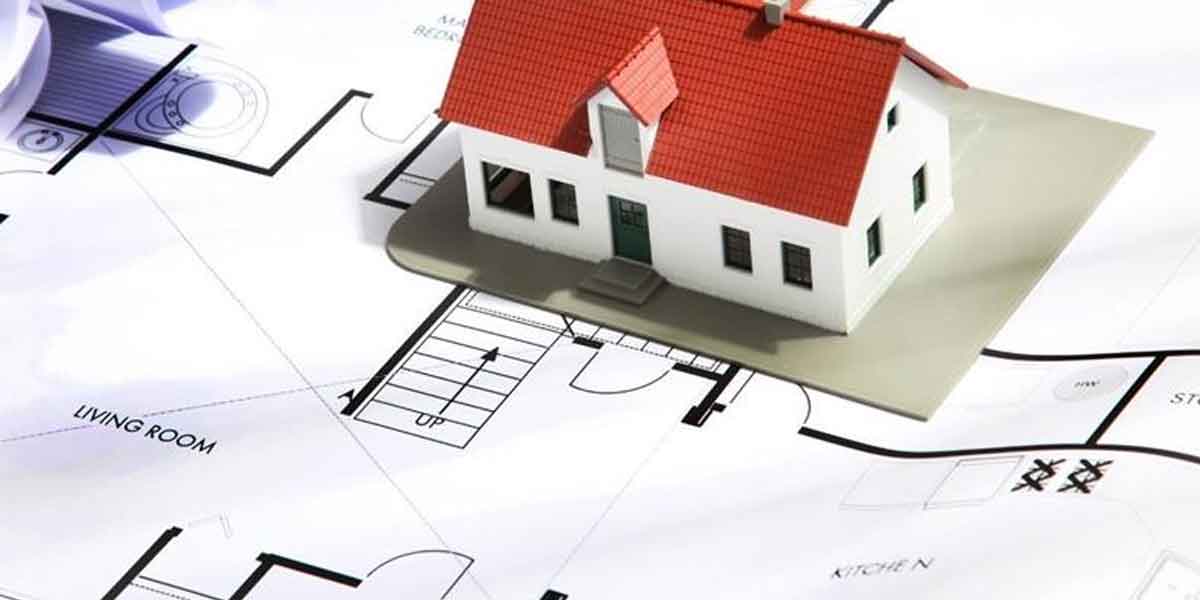
Whether you manage a home, commercial building, warehouse, or mixed-use property, long-term success depends on more than appearance. A strong property needs protection from weather, a stable structure, and efficient use of space. When these areas are ignored, small issues can slowly turn into expensive repairs, safety risks, or operational delays.
The good news is that smart planning can prevent many common problems. From winter water damage to foundation choices and warehouse storage, property owners can make better decisions by focusing on durability, safety, and practical design.
Start With Weather Protection
Weather is one of the biggest threats to any property. Rain, snow, freezing temperatures, and poor drainage can damage roofs, walls, flooring, and foundations. In colder regions, winter damage is especially serious because water can freeze, expand, and create hidden structural problems.
Prevent Water Damage Early
Water damage often starts small. A minor roof leak, blocked gutter, or poorly sealed pipe may not seem urgent at first. However, moisture can spread behind walls, weaken materials, and create mold-friendly conditions.
Property owners should inspect gutters, downspouts, roof edges, basement areas, and plumbing lines before harsh weather arrives. Simple maintenance like sealing gaps, clearing debris, and checking insulation can reduce the risk of unexpected damage.
For colder climates, ice buildup near the roof edge can become a serious issue. Homeowners looking for practical prevention ideas can explore roof ice dam solutions to better understand how winter roof problems can be managed before they lead to leaks or interior damage.
Build on the Right Foundation
A property is only as reliable as the foundation beneath it. Whether you are planning a residential structure, commercial building, or industrial facility, the foundation must match the soil condition, building load, and long-term use of the site.
Why Foundation Choice Matters
Not every site can support the same type of foundation. Some areas have soft soil, high moisture levels, or uneven ground conditions. In these cases, a standard shallow foundation may not provide enough support.
Pile foundations are commonly used when structures need deeper support. They transfer building loads to stronger soil or rock layers below the surface. This can be especially helpful for large buildings, waterfront projects, heavy structures, or sites with weak upper soil.
Before choosing a foundation, property owners should consider soil testing, engineering advice, drainage conditions, and the future purpose of the building. If you want to understand the basic factors involved in choosing pile foundations, you can learn more about how foundation selection supports long-term structural strength.
Make Better Use of Interior Space
Once a property is protected and structurally sound, the next challenge is space efficiency. This is especially important in warehouses, storage areas, workshops, and commercial buildings where poor layout can slow down daily work.
Think Beyond Floor Space
Many property owners focus only on square footage, but usable space is not limited to the floor. Vertical storage, smarter shelving, clear walkways, and better zoning can make a building feel larger without expanding it.
In a warehouse, poor organization can lead to wasted time, misplaced items, and safety hazards. Heavy items should be stored safely, fast-moving products should be easy to access, and walkways should remain clear. A well-planned storage layout helps workers move faster and reduces unnecessary handling.
For businesses trying to improve storage without moving to a larger facility, resources such as this website can offer useful ideas for making warehouse space more practical and organized.
Connect Structure, Safety, and Efficiency
The best property planning does not treat every issue separately. Roof protection, foundations, drainage, storage, and layout all work together. For example, poor drainage can affect a foundation. A weak roof can damage stored inventory. A cluttered warehouse can create safety risks even in a well-built structure.
Create a Regular Maintenance Plan
A simple maintenance plan can help property owners avoid last-minute problems. This plan may include seasonal roof inspections, plumbing checks, drainage reviews, foundation monitoring, and interior layout updates.
For homes, this may mean checking gutters before winter and inspecting basement walls for moisture. For commercial spaces, it may include reviewing storage systems, traffic flow, and safety access. For industrial properties, it may involve structural inspections, equipment clearances, and load-bearing checks.
Conclusion
Smart property management is about prevention, not reaction. When you protect your building from weather damage, choose the right foundation, and use interior space wisely, you create a safer and more efficient environment.
Small decisions made early can save money, reduce stress, and improve long-term performance. Whether you own a home, manage a warehouse, or plan a new building, focusing on protection, strength, and organization will always be a practical investment.
FAQs
What is the first step in protecting a property from winter damage?
Start by inspecting the roof, gutters, downspouts, exposed pipes, and drainage areas before freezing weather arrives.
Why is foundation selection important?
The right foundation helps support the building safely and reduces the risk of settlement, cracks, or structural movement over time.
How can a warehouse create more usable space?
A warehouse can improve space by using vertical storage, proper shelving, clear aisles, and better product organization.
How often should property maintenance be done?
Basic inspections should be done seasonally, while deeper checks can be scheduled annually or after severe weather.
Can small property problems become expensive later?
Yes. Minor leaks, drainage issues, or layout problems can become costly if they are ignored for too long.