What to Know Before Installing an In-Ground Swimming Pool
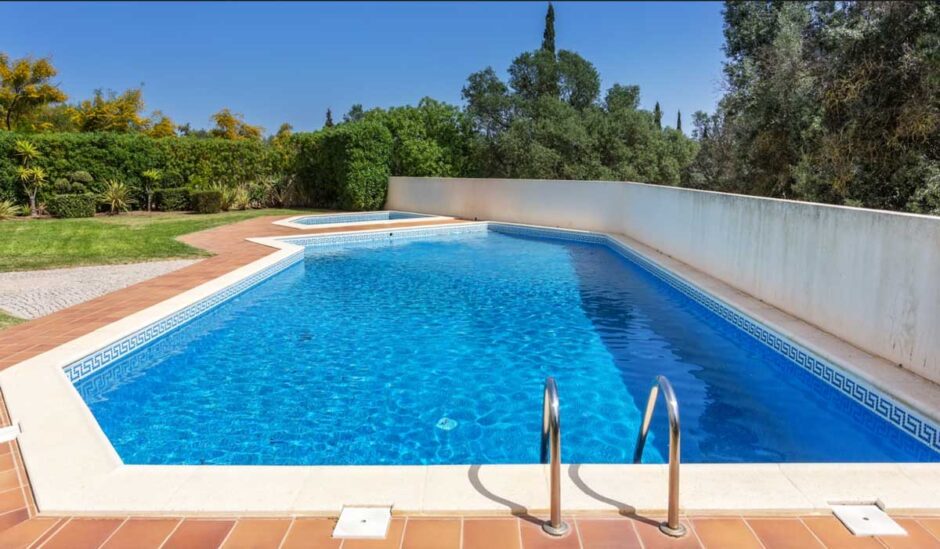
Installing an inground swimming pool can be a very exciting home improvement project. It can turn your backyard into a relaxing and enjoyable space for family and friends. However, it is a big decision that requires careful planning and a clear understanding of the process. Before you get started, it is important to know what is involved so you can make a smart and confident choice, especially when selecting a reliable swimming pool builder in Ballarat to guide you through each stage of the project.
Key Things to Know Before Installing an In-Ground Swimming Pool
Understanding the Types of Inground Pools
The first step is to determine the type of inground pool that best suits your needs. There are various options available, each with its own benefits and considerations to take into account before making a decision.
- Concrete pools: Concrete pools are the most popular choice due to their flexibility in design. They can be built in virtually any shape, size, or depth, making them ideal if you want something truly custom. However, they take longer to install and require more ongoing maintenance, including regular resurfacing.
- Fibreglass pools: Fibreglass pools are ready-made pool shells that are placed into a hole that has already been dug in your yard. They are quicker to install, have a smooth surface that resists algae, and generally cost less to maintain over time. The trade-off is that you are limited to the shapes and sizes available from the manufacturer.
It is also important to think about the long-term costs linked to each type of pool. The initial price is only part of the picture. Ongoing care, maintenance, repairs, and running expenses can vary depending on the pool you choose. Taking the time to understand these factors will help you make a more practical and informed decision.
Choosing the Right Location in Your Backyard
Where you place your pool matters more than most people realise. The position of the pool will affect how much sunlight it receives, how much it costs to heat, and how it fits into the overall flow of your outdoor living space. Ideally, your pool should be positioned to receive maximum sun exposure throughout the day. This helps with natural heating and makes swimming more enjoyable. Avoid placing the pool directly under large trees, as falling leaves and debris will increase your maintenance burden considerably.
Easy access to your property is another important thing to consider. Construction teams need enough space to bring in equipment and materials to build the pool. If access is limited, it can make the process more complicated. Your installer should check the access to your yard during the early planning stage to make sure everything can be delivered and installed smoothly.
The Installation Timeline
Setting realistic expectations about how long the installation will take will save you a great deal of frustration.
- Concrete pools usually take the longest to build, as the construction process involves several stages and needs more time to complete properly.
- Fibreglass pools can be installed much more quickly, sometimes within a few weeks, once the site is prepared and approvals are in place.
Delays can sometimes happen due to wet weather, approval processes, unexpected underground issues, or the availability of skilled trades. Build some flexibility into your expectations so that a minor setback does not feel like a disaster.
The Long-Term Value of an In-Ground Pool
A well-maintained inground pool can increase your home’s overall appeal and provide years of enjoyment. Regular maintenance, balanced water chemistry, and proper equipment care are essential.
Over time, some pools may benefit from updates or improvements. Investing in timely pool renovation in Ballarat can restore the pool’s appearance, improve efficiency, and extend its lifespan. Whether it involves resurfacing, upgrading filtration systems, or modernising the surrounding area, renovation can be a practical way to protect your original investment.
Final Thoughts
Installing an inground swimming pool is a rewarding project that can transform the way you live at home. However, it requires thorough research, careful planning, and a clear understanding of both the costs involved and the responsibilities that come with pool ownership. By taking the time to understand your options and choose the right location and pool type for your property, you will be well placed to enjoy your investment for many years to come.
Whether you are thinking about a modern fibreglass pool or a custom-designed concrete pool, the time and effort you spend planning before construction begins will play a big role in the outcome. Careful preparation helps ensure the finished pool meets your expectations and suits your space perfectly.
Frequently Asked Questions
How long does it take to install an inground pool?
The installation time depends on the type of pool and site conditions. Concrete pools typically take longer due to multiple construction stages, while fibreglass pools can be installed more quickly once the site is prepared.
Where is the best place to install a pool in the backyard?
A pool should be placed in an area that receives good sunlight and fits well within the overall outdoor layout. Avoiding large trees can help reduce cleaning and maintenance needs.
What maintenance does an inground pool require?
Regular cleaning, balancing water chemistry, maintaining the filtration system, and inspecting equipment are all part of routine pool care. Consistent maintenance keeps the water safe and helps prevent costly repairs.
Does an inground pool increase property value?
A well-maintained inground pool can improve the overall appeal of a home and may attract potential buyers in the future.
Is installing an inground pool a good long-term decision?
For many homeowners, an inground pool enhances lifestyle, provides a space for relaxation, and adds long-term enjoyment to the property.