What Happens When Roof Ventilation Is Installed Incorrectly
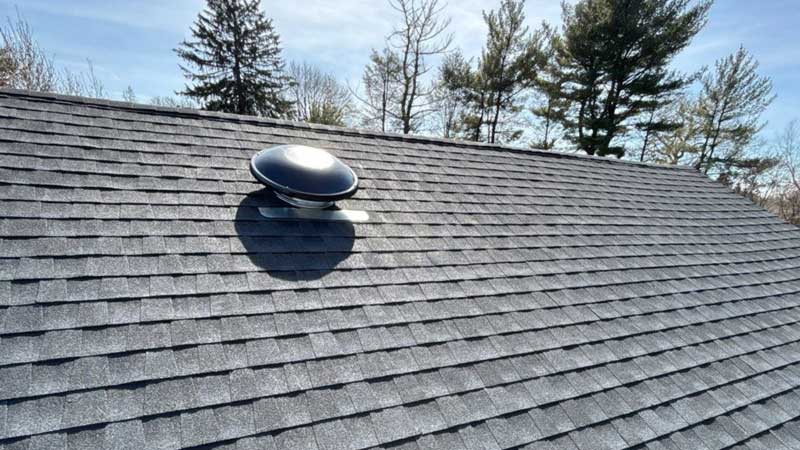
Proper roof ventilation plays a vital role in maintaining a balanced indoor environment and protecting a building’s structure. When ventilation is installed incorrectly, issues can develop that affect comfort, efficiency, and durability. Understanding these problems helps homeowners maintain a healthy roofing system and prevent costly damage.
Why Roof Ventilation Matters
Roof ventilation allows air to circulate through the attic space, regulating temperature and moisture. Without adequate airflow, heat and humidity can build up, reducing the lifespan of roofing materials and increasing energy costs. Professionals such as Ryson Roofing emphasize the importance of correct installation to ensure consistent performance year-round.
Signs of Improper Ventilation
Incorrectly installed vents may not be obvious at first, but several signs can indicate a problem. Homeowners should look for these early warnings to avoid long-term structural damage.
Uneven temperatures between rooms, especially during hot or cold weather
Noticeable moisture or condensation on attic surfaces
Mold growth or a musty odor coming from the ceiling
Premature curling or blistering of shingles
Ice dams forming along roof edges in winter months
Moisture and Mold Concerns
When air cannot move freely through the attic, moisture becomes trapped. This trapped moisture can seep into insulation, wood framing, and drywall. Over time, the damp environment encourages mold growth and wood rot, which can weaken structural components. Properly balanced intake and exhaust vents are essential to prevent these problems.
Energy Efficiency and Comfort
An attic that overheats in summer makes cooling systems work harder. Similarly, poor airflow in winter can allow warm air to escape unevenly, leading to drafts and higher heating costs. Correct ventilation helps maintain a consistent indoor temperature, improving comfort and energy efficiency throughout the year.
Impact on Roofing Materials
Improper ventilation can significantly shorten the lifespan of roofing materials. Excess heat can cause shingles to deteriorate quickly, while trapped moisture can rust nails and corrode metal components. Reputable contractors who specialize in residential roofing understand how to balance intake and exhaust systems to protect materials from premature wear.
Common Installation Errors
Several mistakes can lead to ventilation failure. These often occur during installation or when adding new roofing layers. Awareness of common errors helps reduce the risk of future issues.
Blocking vents with insulation or debris
Installing intake and exhaust vents unevenly
Using incompatible vent types together
Failing to provide enough vents for attic size
Ignoring the direction of prevailing winds
Long-Term Structural Effects
In the long term, trapped heat and moisture can compromise the roof deck, attic beams, and insulation. Once weakened, these materials may require extensive repairs. Addressing ventilation early preserves structural integrity and supports the entire home’s energy performance.
Maintaining a Balanced System
Even a well-designed system requires periodic inspection. Dust, leaves, and nesting materials can clog vents over time. Regular checks ensure continuous airflow and keep the system functioning as intended. When in doubt, consulting a professional with experience in balanced ventilation systems can make a significant difference.