Polished Concrete Flooring vs Epoxy Floors: Which Is Better for Your Space
Choosing the right flooring for a commercial or residential space often comes down to balancing appearance, durability, and maintenance. Two leading options, polished concrete and epoxy floors, deliver unique benefits that suit different needs and environments.
Understanding Polished Concrete Flooring
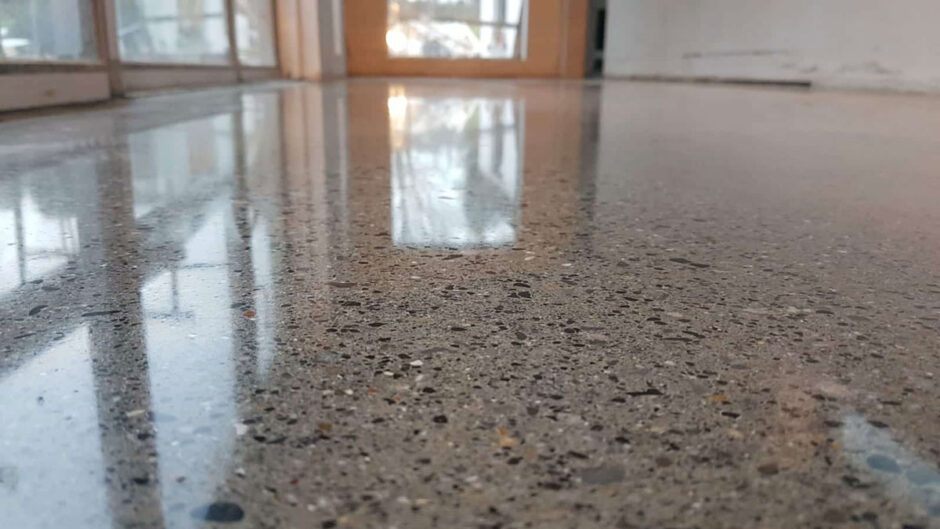
Polished concrete is created by mechanically grinding and refining the surface of a concrete slab until it achieves a smooth, reflective finish. This process enhances both the look and longevity of the floor while eliminating the need for additional coatings.
Because the surface is densified and sealed through polishing, the result is a naturally hardwearing floor that resists dust and staining. It is often chosen for its clean, minimalist appearance and ability to reflect natural light, helping brighten interior spaces.
Exploring Epoxy Flooring
Epoxy floors involve applying a resin-based coating over an existing concrete substrate. The coating forms a protective layer that can be customized with different colors, textures, and decorative flakes. This makes epoxy a popular choice in industrial, retail, and garage settings where a uniform and resilient surface is essential.
The main advantage of epoxy is its chemical resistance and ability to seal the underlying concrete completely. However, epoxy can become slippery when wet and may require periodic reapplication to maintain its integrity and gloss.
Comparing Durability and Maintenance
When evaluating durability, both flooring types offer impressive performance. Polished concrete maintains its strength without relying on coatings that can peel or chip. Its longevity depends primarily on the quality of the concrete and the polishing process used.
Epoxy, while extremely tough, is more vulnerable to surface damage from heavy impact or prolonged exposure to UV light. Over time, it can yellow or lose shine if not properly maintained. Regular cleaning and recoating may be necessary to preserve its appearance.
Cost and Installation Considerations
The cost of each option depends on factors such as surface preparation, floor size, and desired finish. Polished concrete typically requires considerable grinding and densifying, but once completed, it offers long-term value with minimal upkeep.
Epoxy floors generally have a faster installation process, especially when applied over existing slabs. However, they may involve future maintenance costs due to recoating or repairs. For spaces with heavy foot or machinery traffic, the total lifecycle cost should be carefully assessed.
Aesthetic and Environmental Factors
In terms of design, both surfaces can achieve a sleek, professional appearance. Polished concrete emphasizes natural material beauty, while epoxy provides more decorative flexibility through color and pattern options.
Environmentally, polished concrete has an advantage because it utilizes the existing slab without additional layers of material. This reduces waste and supports sustainable building practices. Epoxy coatings, while durable, rely on synthetic resins that may emit volatile compounds during application.
Choosing the Right Option for Your Space
The decision between polished concrete and epoxy flooring often depends on how the space will be used. For high-traffic commercial interiors where longevity, light reflectivity, and sustainability matter, concrete solutions like polished surfaces are ideal. In contrast, areas needing chemical resistance or bold visual impact may benefit more from epoxy systems.
Both materials can deliver exceptional results when installed correctly. Assessing your space’s functional requirements, aesthetic goals, and maintenance expectations will help determine the best long-term flooring investment.