How to Create a Relaxing and Inviting Home Space This Season
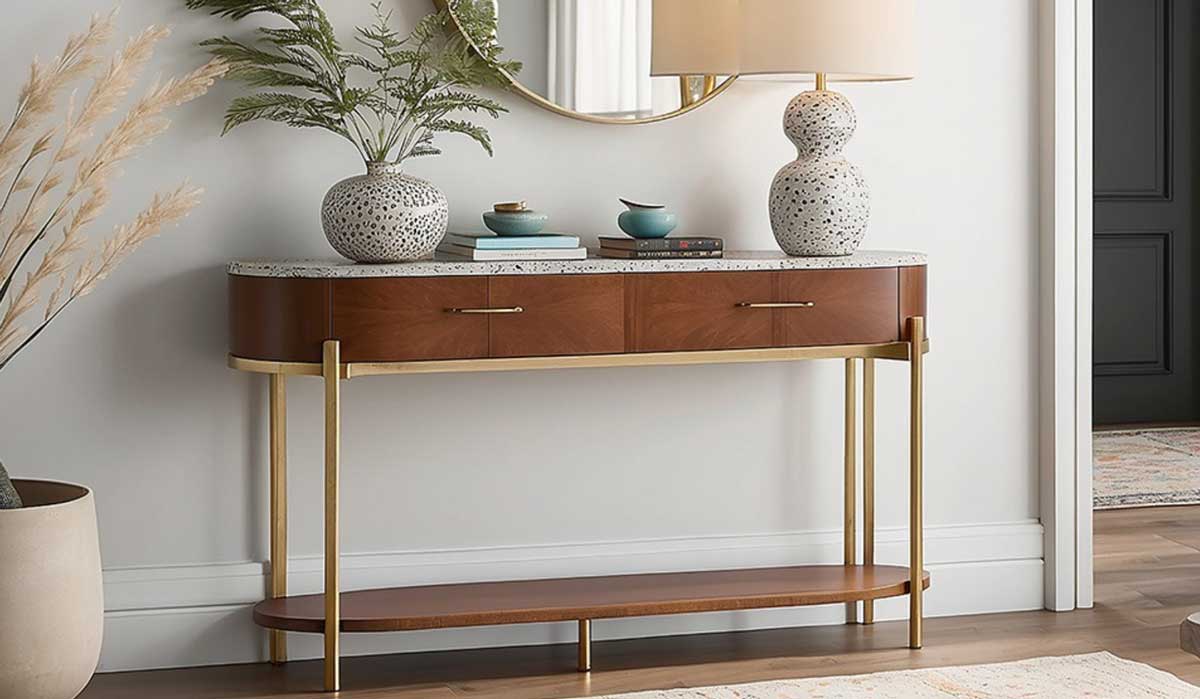
As lifestyles become busier, the home has taken on a deeper role as a place to unwind, recharge, and feel at ease. This season, creating a relaxing and inviting home space is less about following design trends and more about making thoughtful choices that support comfort, balance, and everyday living. Small changes in furniture, layout, and atmosphere can transform a house into a space that feels calm, welcoming, and truly personal. For instance, a well-placed console table in a Perth home can gently shape the first impression, creating an entry area that feels welcoming and thoughtfully arranged from the moment you step inside.
Whether you live in a compact apartment or a spacious family home, a few intentional updates can help create an environment that encourages relaxation while still feeling warm and inviting.
Start with Comfort-Driven Furniture
Furniture plays a major role in setting the tone of a home. Choosing pieces that prioritise comfort immediately makes a space feel more relaxing. Sofas with supportive cushioning, armchairs designed for lounging, and a king-size bed that promote restful sleep all contribute to a more inviting atmosphere.
This season, focus on furniture that fits your lifestyle rather than just your floor plan. A comfortable sofa in the living room, a well-placed armchair for reading, or a bed that balances support and softness can make everyday moments feel more enjoyable. Comfort-first furniture encourages you to slow down and spend more time truly enjoying your home.
Create a Calm Colour Palette
Colour has a powerful influence on mood. To create a relaxing home space, opt for soft, neutral tones that promote calm and balance. Shades of beige, warm grey, soft white, and muted earth tones work beautifully as a base, allowing your space to feel light and open.
You can add warmth and personality through subtle accents such as cushions, throws, or artwork. Natural colours inspired by stone, wood, and sand help create a soothing backdrop while still allowing the home to feel inviting rather than bland.
Layer Lighting for a Warm Atmosphere
Lighting is essential when it comes to creating an inviting home environment. Relying on a single overhead light can make a space feel flat or harsh. Instead, layer different light sources to create warmth and depth.
Table lamps, floor lamps, and soft ambient lighting help soften the atmosphere, especially in living and bedroom areas. Warm-toned bulbs are ideal for relaxation, making spaces feel cosy and welcoming in the evenings. Thoughtful lighting instantly changes how a room feels, even without major design changes.
Introduce Soft Textures and Fabrics
Texture adds comfort and visual interest to a home. Soft fabrics make a space feel warmer and more inviting, encouraging relaxation. Cushions, rugs, curtains, and throws help soften hard surfaces and create a lived-in feel.
This season, mix different textures to add depth without clutter. A plush rug underfoot, layered cushions on the sofa, or a textured throw on the bed can make a room feel instantly more comfortable and welcoming.
Declutter for a Peaceful Environment
A clutter-free space is essential for relaxation. When rooms feel crowded or disorganised, it can be difficult to truly unwind. Take time to declutter and keep only what you use and love.
Smart storage solutions can help maintain a calm environment. Furniture with built-in storage, such as ottomans or storage beds, allows you to keep everyday items out of sight while maintaining a clean, inviting look. A tidy space supports mental clarity and makes the home feel more peaceful.
Bring Nature Indoors
Natural elements help create a calming connection between indoor spaces and the outdoors. Introducing greenery through indoor plants instantly adds life and freshness to a room. Even small touches, such as natural wood furniture or stone-inspired décor, can enhance the sense of calm.
Plants not only improve air quality but also make a space feel more welcoming and balanced. Choose low-maintenance options if you prefer minimal upkeep, ensuring the home remains stress-free and relaxing.
Arrange Furniture for Flow and Comfort
How furniture is arranged can impact how a space feels and functions. To create a relaxing home, ensure there is enough space to move comfortably between furniture pieces. Avoid overcrowding rooms, and allow areas to feel open and breathable.
Arrange seating to encourage conversation and relaxation. In living areas, position sofas and armchairs in a way that feels natural and inviting, rather than pushed tightly against walls. Thoughtful layout choices help the home feel more comfortable and easy to live in.
Personal Touches Make the Space Inviting
A truly inviting home reflects the people who live there. Personal touches such as artwork, photographs, or meaningful décor pieces add warmth and character. These elements make a space feel lived in and welcoming rather than overly styled.
Choose items that bring comfort or positive memories, keeping the overall look balanced and uncluttered. Personal expression helps transform a house into a home that feels relaxing and genuine.
A Home That Feels Calm and Welcoming
Creating a relaxing and inviting home space this season is about intentional choices rather than complete redesigns. Comfort-driven furniture, soft colours, layered lighting, and thoughtful layouts all contribute to a home that feels calm, warm, and welcoming.
By focusing on comfort, simplicity, and personal expression, you can create a home environment that supports relaxation and makes everyday living more enjoyable—season after season.
Conclusion
Creating an inviting home this season is about thoughtful choices that support comfort, balance, and everyday living. By focusing on soft textures, gentle lighting, supportive furniture, and calm design, spaces can feel welcoming without major changes. When each room is designed with care and purpose, the home becomes a place that offers cosiness, ease, and a sense of calm throughout the season and beyond.