What To Do Immediately After A Car Accident In Iowa
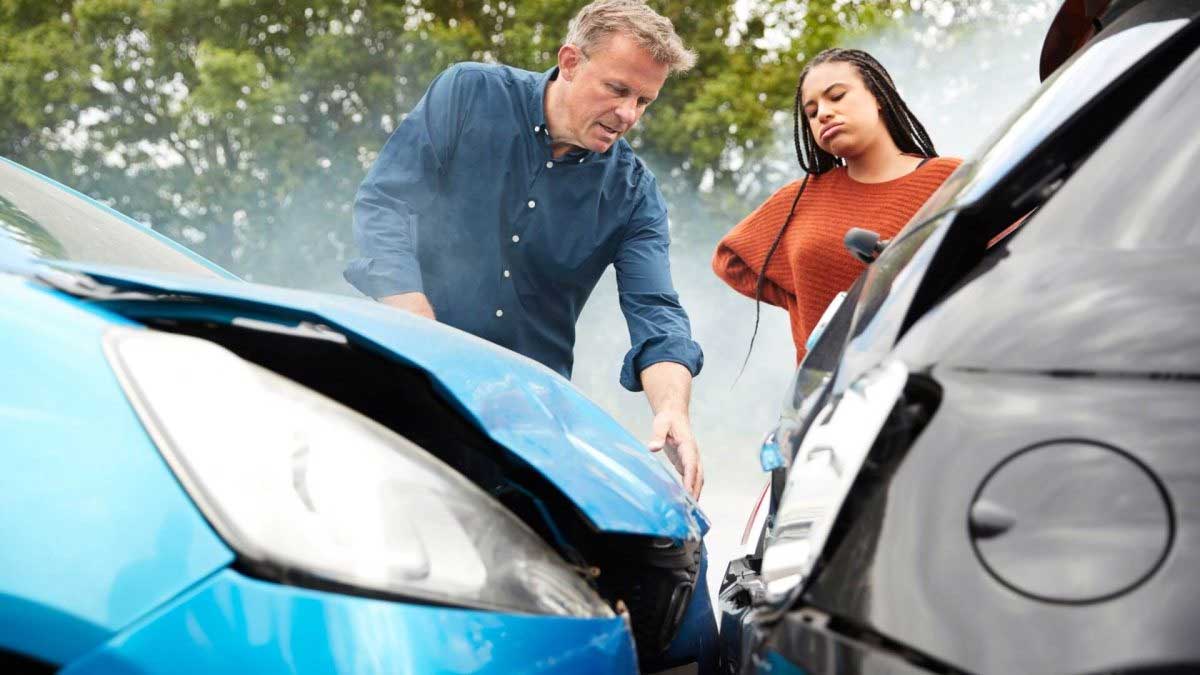
You might be sitting in your car right now, hands still shaking, replaying the sound of metal crunching over and over. One moment you were driving home, thinking about dinner or the next meeting, and the next you are staring at a cracked bumper, flashing lights, or an airbag. It feels surreal, and a little part of you is wondering, “What am I supposed to do now, and what if I mess something up?” In moments like this, many people consider reaching out to a car accident lawyer iowa to understand their options and protect their rights.
That reaction is completely normal. After a crash, your body is full of adrenaline, your mind jumps between worry about injuries, damage to your car, how to pay for all of this, and whether you are about to get blamed for something you did not cause. Because of that storm of emotion, it helps to have a simple, calm roadmap for what to do in those first minutes and hours after a car accident in Iowa.
Here is the short version. Check for injuries and get medical help. Move to safety if you can. Call law enforcement. Exchange information and document the scene. Report the crash as required by Iowa law. Then, as soon as you are safe and stable, protect yourself by speaking with a trusted personal injury lawyer who understands Iowa rules. The rest of this page walks you through those pieces in a way that fits real life, not just a rulebook.
Why do those first few minutes after an Iowa crash matter so much?
Right after a collision, most people focus on the obvious damage. A smashed fender. A broken headlight. A sore neck. That is understandable. Yet in Iowa, what you do and what you say at the scene can shape what happens with insurance, medical bills, and even your license.
Imagine two different drivers. Both are rear-ended at a stoplight in Des Moines. Driver A is rattled and keeps saying, “I’m fine, I’m fine” because they do not want to cause trouble. They do not call the police. They forget to take photos, and they never write down the other driver’s full information. The next day, their neck is stiff, and they have a headache, but when they file a claim, the other driver’s insurer questions whether the injury is related at all. There is no official report. There are no photos. Everything is harder.
Driver B is just as shaken, but they take a breath and follow a simple plan. They call 911, get checked by EMTs, take photos of both vehicles and the intersection, and note the contact information of witnesses who stopped to help. A week later, when the pain in their back gets worse, their doctor can tie it to the crash, and the insurance company has far less room to argue. Same type of crash. Very different outcomes.
So where does that leave you after a car accident in Iowa? It leaves you with a chance to protect your health, your finances, and your future if you know what to focus on.
What are the hidden challenges after a car crash that people do not see right away?
On the surface, a collision looks like a simple event. Two cars hit each other, someone is at fault, insurance pays. In reality, the situation is rarely that clean, especially in Iowa where weather, rural roads, and multi-vehicle crashes are common.
Emotionally, you might feel guilty even if you did nothing wrong, especially if someone is hurt. You might feel pressure to apologize or “just handle it between us” to avoid involving the police. That instinct to smooth things over can come back to hurt you later, because insurance companies can twist even casual words.
Financially, the true cost of a crash often shows up slowly. There are ambulance bills, emergency room charges, follow-up doctor visits, physical therapy, lost hours at work, and the hidden cost of not being able to drive your kids, do your job comfortably, or sleep without pain. What looks like a “minor accident” can turn into months of disruption.
Legally, Iowa has specific rules on reporting accidents and dealing with possible license issues. For example, if there is injury, death, or certain levels of property damage, you need to report the crash. The Iowa Department of Transportation explains when and how to report, and how a failure to report can affect your driving privileges. You can read more about that on the Iowa DOT’s page about accident related suspensions and revocations.
There are also special situations. If you are driving a state or work vehicle, there may be separate reporting requirements. For Iowa state employees and fleet vehicles, for example, there is specific guidance on what to do after an accident, which you can see on the state’s page for state employee vehicle accidents and reporting. Private drivers often have similar employer rules in their own policies.
With all of these layers, it is easy to feel overwhelmed. That is exactly why having a clear plan for what to do right away helps calm your mind and protect your rights.
Should you handle a car accident claim on your own or get help?
Many people wonder whether they should try to handle everything themselves or involve a professional. There is no one-size-fits-all rule, but it helps to compare what usually happens in each path.
| Approach | What It Looks Like In Real Life | Common Risks | Possible Benefits |
| DIY handling after a crash | You exchange info, file your own claim, talk directly with adjusters, and accept a settlement offer without legal advice. | Underestimating long-term medical needs, accepting blame, missing Iowa reporting rules, or agreeing to a low offer you cannot reopen later. | Faster in simple property damage only cases. No attorney fees if the claim truly is minor. |
| Working with a personal injury lawyer | You focus on treatment and recovery. Your lawyer gathers records, deals with insurers, and tracks Iowa deadlines. | Some people worry about cost or think it means a long court fight, even though many cases settle. | Better understanding of what your claim is really worth. Protection from pressure tactics. Fewer mistakes with evidence and reports. |
If your crash involved serious injury, a possible long recovery, or a dispute over who was at fault, then handling a car accident case in Iowa on your own can be a heavy burden. That is where a steady guide can make a real difference.
What should you do immediately after a car accident in Iowa?
When your mind is racing, you need something simple and clear. Think of these as your three anchors.
1. Put safety and medical care first
Take a slow breath and look around you. If anyone is hurt, call 911 right away. Describe the location as clearly as you can. If your vehicle can move safely, get it out of traffic to prevent another crash. Turn on hazard lights. Use flares or cones if you have them and it is safe to do so.
Do not skip medical care because you “feel okay.” Many injuries, especially to the neck, back, or head, do not show full symptoms right away. Seeing a doctor within hours or days creates a record that links your pain to the crash. That record matters for your health and for any future claim.
2. Protect your future claim at the scene
Once everyone is as safe as possible, call local law enforcement so there is an official report. In Iowa, that report is an important piece of evidence. While you wait, calmly exchange names, addresses, phone numbers, driver’s license numbers, license plates, and insurance details with the other driver.
Use your phone to take wide photos of the scene, close-ups of damage, skid marks, traffic signs, and any visible injuries. If anyone saw the collision, politely ask for their names and contact information. Keep your words simple and factual. Avoid arguing about fault or apologizing. Those statements can be misunderstood later.
If the crash meets Iowa’s reporting thresholds, make sure you complete any required written reports by the deadlines. This step can affect your license and your ability to recover damages.
3. Reach out for legal guidance before signing or accepting anything
After a crash, insurance adjusters often move quickly. They might ask for recorded statements or offer a settlement before you fully understand your injuries. Once you accept a settlement and sign a release, you usually cannot go back for more, even if new problems appear.
Before giving detailed statements or agreeing to any settlement, consider talking with a personal injury lawyer who handles Iowa traffic collisions. This is especially important if you are dealing with ongoing pain, missed work, or uncertainty about long-term care. A conversation early on can prevent costly mistakes and give you a clearer picture of what fair compensation should look like.
Finding your footing again after an Iowa car crash
A collision can make your whole life feel off balance. Your body hurts. Your schedule is wrecked. Your mind keeps circling back to what happened and what could have happened. It is easy to feel alone in that space, yet you are not the first person to go through this, and you do not have to figure it out by yourself.
When you know what to do immediately after a car accident in Iowa, you reclaim some control. You focus on safety. You document what matters. You follow the reporting rules. You protect yourself before signing anything. And if your injuries or losses are more than minor, you reach out to someone who understands how an auto accident claim really works here, not just in theory but in real day-to-day life.
You have already lived through the hardest part, the crash itself. From here, each clear, steady step you take can move you toward healing, stability, and a fair outcome.