How Custom Builders Handle Permits and Local Regulations
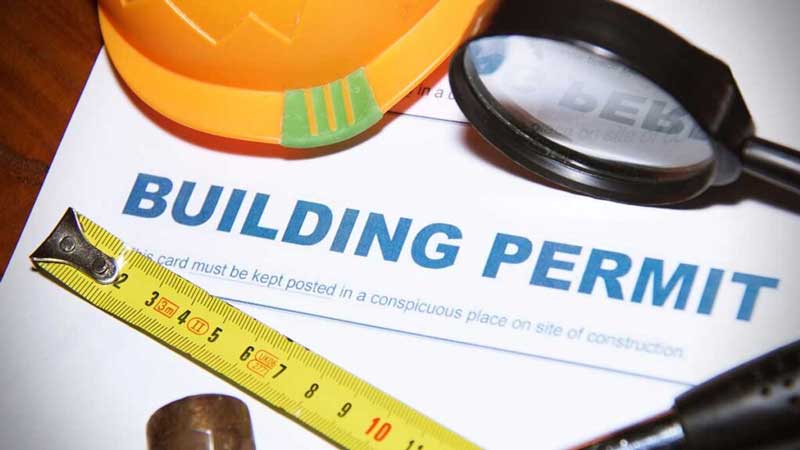
Building a new home involves more than design and materials. Navigating permits and local regulations is one of the most critical steps in the process. A custom home builder manages these details to ensure every project meets legal and safety standards from start to finish.
Understanding the Role of Permits in Construction
Permits serve as official approval from local authorities, confirming that a construction project complies with zoning laws and building codes. They protect homeowners and communities by ensuring that structures are safe and properly designed.
Each type of permit addresses specific aspects of a project. Common examples include building, electrical, plumbing, and mechanical permits. Depending on the location and scope of the home, additional environmental or historical reviews may also be required.
Steps a Custom Builder Takes to Secure Permits
Experienced builders follow a systematic process to handle permits efficiently. They begin by reviewing the property’s zoning requirements to confirm that the planned design is allowed on the site. This initial step prevents costly changes later in the process.
Prepare detailed architectural and engineering plans.
Submit documentation to the appropriate local departments.
Address feedback or required revisions from inspectors.
Coordinate inspections throughout construction.
By managing these steps, a skilled builder saves the homeowner time and avoids unnecessary delays. The process can be complex, but organized communication with local officials helps keep everything on schedule.
Adapting to Local Regulations
Every region enforces its own codes and standards. Builders who specialize in Atlanta luxury homes understand that regulations may vary between neighborhoods, especially in areas with unique architectural styles or environmental considerations.
Local regulations often include restrictions on height, setbacks, and exterior materials. Some communities require design review boards to approve new construction, ensuring that each home complements existing surroundings. A knowledgeable builder interprets these rules accurately and integrates them into the design process early.
Environmental and Safety Compliance
Modern building codes emphasize energy efficiency and safety. Permits related to insulation, ventilation, and foundation strength ensure that the home performs well in both comfort and durability. Builders must also follow environmental guidelines that protect water quality and manage stormwater runoff responsibly.
Meeting these standards requires careful documentation and coordination with licensed professionals such as engineers and surveyors. Regular inspections verify compliance at key milestones, helping the project progress smoothly toward completion.
Collaboration Between Builder and Homeowner
While the builder handles most of the permit process, homeowners remain informed throughout. Transparent communication helps set expectations for timelines, fees, and inspection stages. This collaboration builds confidence and keeps the project aligned with the homeowner’s vision.
For homeowners considering a fully personalized residence, working with a reputable custom home builder ensures that the technical and legal aspects are managed with precision. Their expertise with local permitting systems allows creative designs to come to life within the bounds of regulation.
Balancing Creativity and Compliance
Successful residential projects balance innovation with adherence to local rules. Builders who stay current on changing codes and permit procedures can deliver distinctive homes that meet all requirements. This balance is especially important in the design of Atlanta luxury homes, where craftsmanship and compliance must coexist seamlessly.
Understanding how custom builders handle permits and regulations provides valuable insight into the complexity of home construction. When each stage is managed carefully, the result is a beautiful, safe, and legally sound home built to last for generations.