Sinitta Net Worth 2026: How the 80s Pop Icon Built Her Fortune

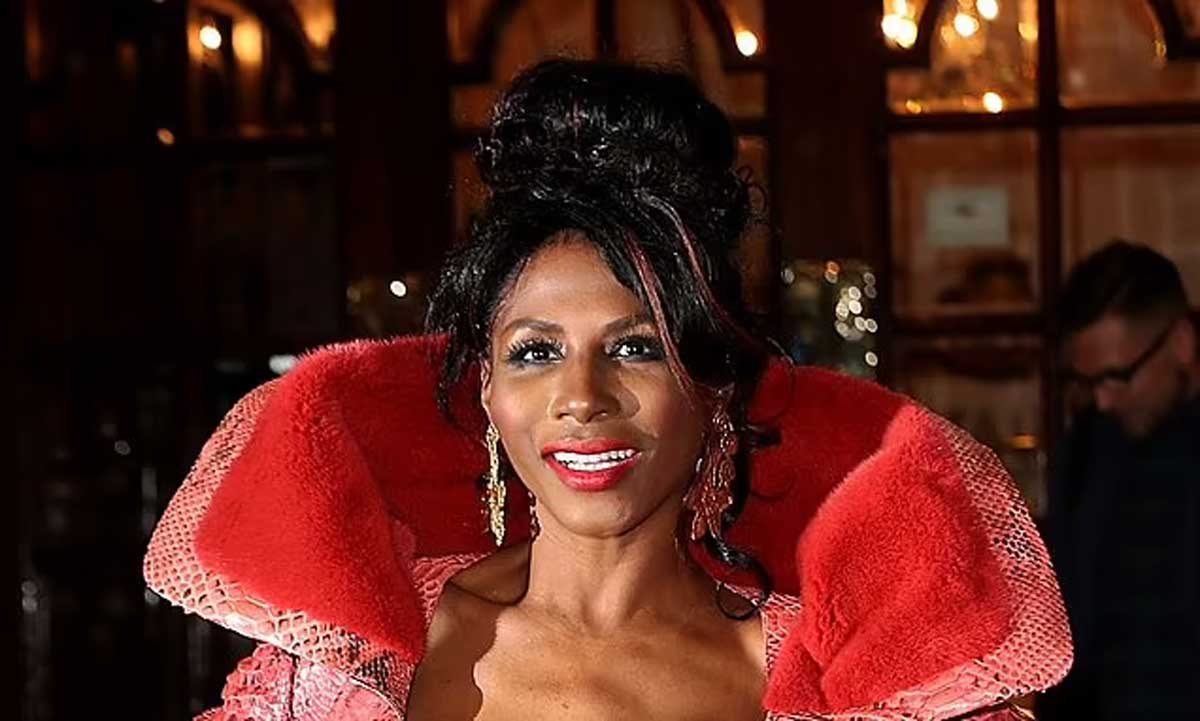
Sinitta’s net worth stands at an estimated £7 million, built across four decades of pop music, television appearances, and business ventures — though recent years have introduced financial turbulence that complicates that picture. The British-American entertainer who turned “So Macho” into one of 1986’s defining chart moments has navigated an unusually long career arc, from teenage pop star to Simon Cowell confidante to West End performer, each phase adding — or subtracting — from her financial story.
What Is Sinitta’s Net Worth?
Sinitta’s net worth is most commonly cited at approximately £7 million, based on estimates from 2016. That figure accounts for her cumulative earnings from music royalties, television work, theatrical productions, and various business interests accumulated since her professional debut in 1981. However, given well-documented financial difficulties in the early 2020s — including a significant tax liability that reportedly left her temporarily without a home, the current figure may be meaningfully lower.
The $240 million figure that appears on some clickbait websites is not credible. No verified financial source supports a number that high for Sinitta, whose career, while substantial, operated primarily in the UK market. The £7 million estimate from credible entertainment sources remains the most reliable reference point, with the caveat that her business debts reported in 2024 and 2025 suggest her net wealth has undergone pressure in recent years.
| Category | Estimated Contribution | Notes |
|---|---|---|
| Music Royalties (legacy catalogue) | Significant long-term | “So Macho,” “Toy Boy,” ongoing streaming revenue |
| Television appearances | Moderate | Xtra Factor, Loose Women, I’m A Celebrity, reality formats |
| West End and theatrical work | Moderate | Cats, Little Shop of Horrors, Shook Treatment |
| Business ventures | Variable | Attinis Ltd (formed September 2024) and previous entities |
| Property interests | Unclear | Tax difficulties suggest property position has changed |
How Sinitta Made Her Money: Career Overview
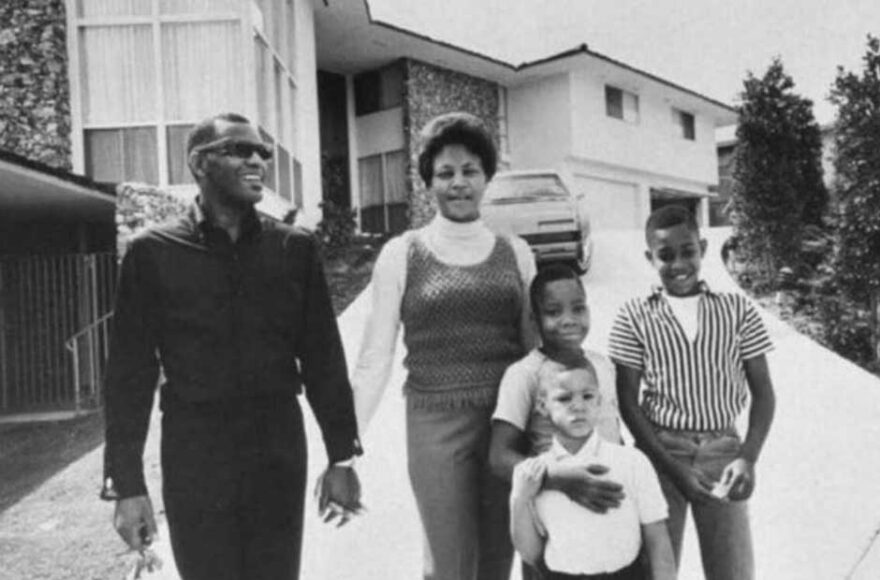
Sinitta Renet Malone was born on October 19, 1963, in Seattle, Washington, as documented in her Wikipedia biography. Her mother, Miquel Brown, was herself a recorded artist, best known for the disco track “He’s a Saint, He’s a Sinner”, which meant Sinitta grew up around the music industry before she was old enough to sign her first contract. She relocated to the United Kingdom and launched a professional career in 1981, cutting early singles and performing in London’s entertainment circuit while still a teenager.
That formative period did not generate significant wealth. What changed everything was a meeting with a young music producer named Simon Cowell, then working for a small independent label. The relationship would shape both their careers, and Sinitta’s financial trajectory, for the next four decades.
According to This Is Money’s 2024 “Me and My Money” interview with Sinitta, she described her financial education as largely self-taught. Her early pop success provided a foundation, but she acknowledged that navigating the business side of entertainment required learning the hard way, a candid admission that explains both her commercial instincts and some of her later financial missteps.
The “So Macho” Era: Her Biggest Hit and Its Financial Legacy
“So Macho” first appeared on the UK Singles Chart on March 2, 1986, at a modest position. Over the following months, it climbed steadily until it peaked at number 2 in August of that year, a remarkable run for a debut release. The follow-up, “Toy Boy,” reached number 4 in 1987. Together, those two singles established Sinitta as a recognizable commercial act and generated the publishing and mechanical royalties that have continued generating income for decades.
Legacy songs like “So Macho” earn money in ways their original creators could not have anticipated in the 1980s. In today’s streaming economy, a track still played at retro pop nights and nostalgia playlists on Spotify and Apple Music generates modest but consistent income. According to industry estimates, a song receiving 1-2 million streams monthly generates between £3,000 and £6,000 per year in royalties to rights holders. “So Macho”, which remains a fixture on 80s compilation playlists, likely sits somewhere in that range, representing a quiet but dependable income stream more than 35 years after its release.
Sinitta’s second album, Wicked, arrived in 1989 alongside “Right Back Where We Started From,” a cover that performed respectably. A second chapter of chart activity followed in the early 1990s with “Shame Shame Shame” and “Naughty Naughty,” extending her commercial shelf life beyond what most of her contemporaries managed. That persistence matters when calculating lifetime earnings: more chart appearances mean more radio royalties, more compilation licensing, more touring opportunities.
Television Career and the X Factor Connection
Sinitta’s financial profile shifted significantly in the early 2000s when her friendship with Simon Cowell, by then a powerful music mogul, translated into a prominent television presence. She became a recurring figure in The X Factor orbit beginning in 2004, appearing alongside Cowell at auditions and bootcamp stages as his unofficial assistant and confidante. The role was not that of a full judging panel member, but it kept her visible on one of British television’s most-watched programmes throughout its peak years.
That visibility generated income indirectly, through raised profile bookings, public appearances, and presenting roles. She hosted The Xtra Factor spin-off segments and appeared regularly on Loose Women, daytime television’s long-running panel show. These television engagements, while individually modest in pay compared to headline acts, added up over many years of consistent work.
In 2011, Sinitta entered the I’m A Celebrity…Get Me Out of Here! jungle, the kind of appearance that typically commands a fee in the £50,000-£150,000 range for established celebrities, based on publicly reported brackets for that series. That one appearance likely added meaningfully to her income for that year. She also participated in other reality formats over the following decade, each representing a transactional but reliable income source for a performer whose music career was no longer generating new chart hits.
Business Ventures and the Debt Crisis
Away from entertainment, Sinitta pursued business interests with mixed results. In September 2024, she formed Attinis Ltd, a new business entity, suggesting she remained entrepreneurially active even as other ventures encountered difficulties.
Those difficulties have been substantial. Reports from 2024 and 2025 indicate that Sinitta’s business interests had accumulated approximately £250,000 in debts, a situation that followed a significant tax bill that had previously left her homeless. The sequence of a large tax liability, temporary loss of housing, and then fresh business debt represents a particularly difficult financial period, and stands in contrast to the £7 million net worth estimate that circulated a decade earlier.
The pattern is not uncommon among performers who achieved peak earnings in an era before financial advisers routinely worked with pop artists. Tax management, investment strategy, and business structuring have tripped up many entertainers of Sinitta’s generation. Her willingness to discuss money candidly in interviews, including her acknowledgement of financial lessons learned the hard way, suggests someone who understands the arc of what happened, even if the timeline has been painful.
Sinitta vs. Other 80s Pop Stars: A Wealth Comparison
Context matters when assessing any celebrity’s net worth. Sinitta’s estimated £7 million places her in the middle tier of British pop acts from her era, comfortable, but nowhere near the wealth accumulated by artists who either crossed into global markets or built major music business stakes.
| Artist | Estimated Net Worth | Primary Wealth Source |
|---|---|---|
| George Michael (estate) | ~£100 million+ | Global sales, songwriting, estate licensing |
| Rick Astley | ~£18 million | Stock Aitken Waterman catalogue, continued touring |
| Sinitta | ~£7 million (2016 est.) | Music royalties, television, theatrical work |
| Samantha Fox | ~£5 million | Modelling, music royalties, licensing |
| Kim Wilde | ~£5 million | Music royalties, television, garden design work |
What separates the wealthiest 80s acts from the rest is almost always songwriting ownership. George Michael co-wrote almost everything he released. Sinitta primarily recorded songs written by others, meaning her royalty income flows from the performer’s share rather than the publisher’s share, a meaningful distinction when the streaming economy generates pennies per play and the bulk of residual wealth sits with the composition rights holders.
Her position beside Rick Astley, Kim Wilde, and Samantha Fox reflects a broadly similar career pattern: chart success, UK-centric profile, television longevity compensating for music’s natural decline. The difference is that Sinitta’s more recent financial pressures suggest her net worth trajectory has moved downward rather than holding steady, which is unusual among peers who have generally maintained their positions through careful management of legacy income.
FAQ: Common Questions About Sinitta’s Net Worth
What is Sinitta’s net worth in 2026?
Sinitta’s net worth is estimated at approximately £7 million based on 2016 figures, though her actual current net worth is likely lower. Reports from 2024 and 2025 indicate her businesses accumulated around £250,000 in debts, following an earlier tax bill that reportedly left her temporarily without housing. No current verified estimate is publicly available for 2026.
Is Sinitta a millionaire?
Based on historical estimates, Sinitta has been a millionaire, with a peak net worth reported around £7 million in 2016. Recent financial difficulties, including significant business debt and a tax liability, suggest that figure may have declined, though she retains income-generating music rights and ongoing entertainment work.
How much did Sinitta earn from “So Macho”?
No precise figure has been publicly disclosed for “So Macho” earnings. The song peaked at number 2 on the UK Singles Chart in 1986 and has generated royalties from radio play, licensing, and streaming ever since. As a performer rather than songwriter, Sinitta earns the performer’s share of royalties, which is typically less than what the composition rights holder receives.
Was Sinitta a paid X Factor judge?
Sinitta was not a full member of the X Factor judging panel but was a recurring presence at the show, particularly during Simon Cowell’s auditions and boot camp phases, from 2004 through the mid-2010s. She appeared in an unofficial capacity as Cowell’s close associate rather than as a contracted judge with a disclosed salary.
What happened to Sinitta’s businesses?
According to reports published in 2024 and 2025, Sinitta’s business interests accumulated approximately £250,000 in debts. This came roughly two years after a tax bill reportedly left her temporarily homeless. In September 2024, she established Attinis Ltd, a new business entity, indicating she was attempting to restructure her commercial activities.
What is Sinitta’s real name?
Sinitta’s full name is Sinitta Renet Malone. She was born on October 19, 1963, in Seattle, Washington, and moved to the United Kingdom early in her career. Her mother, Miquel Brown, was also a professional singer.
Is Sinitta still performing?
Sinitta remains active in entertainment. She continues to make television appearances, participate in nostalgia concert events, and engage with her fanbase through social media and personal appearances. Her career, now spanning more than four decades, has demonstrated unusual longevity for a UK pop act whose peak chart period was in the late 1980s.
The Financial Reality Behind the Pop Legend
Sinitta’s net worth story is, at its core, a story about the economics of pop music longevity. The wealth generated by two or three hit singles in the 1980s can fund a career and a lifestyle for decades, but only if managed carefully, and only if the underlying royalty streams remain productive while other income sources fluctuate.
The £7 million estimate from 2016 represented an achievement: four decades of professional work, diversified across music, television, theatre, and business. The subsequent financial pressures, the tax problems, the business debts, the public candor about money struggles, represent something equally real. Celebrity finances are rarely as stable as the top-line net worth figure suggests, and Sinitta’s willingness to discuss her financial journey openly distinguishes her from peers who prefer to maintain the fiction of effortless wealth.
Her mother Miquel Brown spent a career in the music industry and watched the industry’s economics change around her. Sinitta absorbed those lessons across her own career, made her own set of financial decisions, and now at 62 continues to work in an industry she has never fully left. Whatever the precise figure her accountant sees today, the career itself is the real asset, one that “So Macho” started building in the spring of 1986, and that shows no signs of reaching its final chapter.