Top Considerations for Modern Air Conditioner Installation
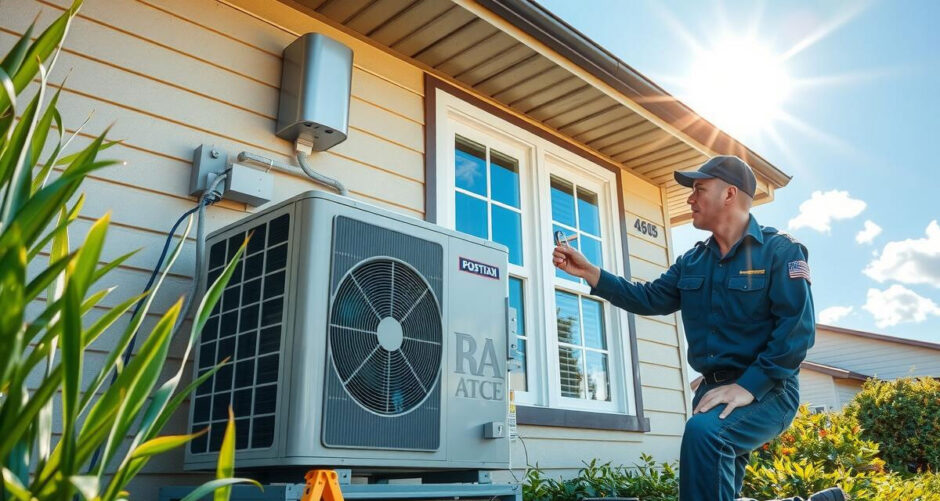
Choosing to install a new air conditioning system is more than a simple upgrade. It is a significant investment that shapes your home’s comfort, energy use, and indoor air quality for years. With multiple options and technological advancements available, thoughtful planning ensures that you make a decision tailored to your property’s needs. Whether you are looking for a basic model or advanced efficiency, knowing what to look for makes the process less daunting. Local expertise, especially for specialized services like London AC services, can further simplify your installation and maximize your home’s comfort and efficiency.
A new air conditioner, when installed with proper considerations, will provide lasting value, comfort, and savings. You will also notice improved indoor air quality and reduced stress on your electrical bills. Each step, from choosing the right unit to maintaining it, plays a key role in ensuring long-term satisfaction.
Proper Sizing of the Air Conditioner
Selecting the right size for your new air conditioning unit cannot be overstated. An air conditioner that is too small will continually struggle to cool your home, resulting in higher energy consumption and greater wear and tear. On the other hand, an oversized unit may cool the space quickly, but frequent on-off cycling will reduce energy efficiency, create inconsistent comfort, and even introduce humidity concerns.
Several factors should guide your sizing decision. The total square footage of the cooled area is just the beginning. Ensure your installer also assesses your home’s insulation quality, ceiling height, number of windows, sun exposure, and local climate conditions. This holistic approach guarantees a capacity tailored to your home’s unique needs.
Energy Efficiency Ratings
Energy efficiency directly impacts both environmental footprint and household expenses. Air conditioner efficiency is often measured by the Seasonal Energy Efficiency Ratio (SEER). The higher the SEER rating, the more efficiently the system operates, saving you money on energy bills each month. Modern systems typically range from SEER 13 to SEER 21, and upgrading even by a few points can yield substantial savings over time. For example, units with a SEER rating of 16 or above operate more efficiently than those at the lower end of the spectrum, especially during sustained periods of hot weather.
However, higher efficiency models often come at a premium upfront. Balancing the initial investment with expected long-term savings is crucial. Some energy-efficient models may qualify for government incentives or rebates, further reducing the total cost of ownership. Keeping up to date with Consumer Reports’ recommendations can help you make a cost-effective, energy-conscious selection.
Optimal Placement of Units
Where you install both your indoor and outdoor units can significantly affect the system’s performance and longevity. For the indoor unit, avoid areas exposed to direct sunlight, kitchen heat, or electronics that emit warmth, as these factors may alter temperature readings and reduce overall effectiveness. The ideal location allows air to circulate freely without obstacles such as curtains or furniture.
Outdoor units require even more careful consideration. Positioning them in a shaded, well-ventilated area shields them from excessive sun and heat, improving cooling efficiency and preventing unnecessary strain. Sufficient clearance is essential as obstructions can impede airflow and reduce unit lifespan. Consider proximity to bedrooms or neighbors, as some units may produce noise during operation.
Professional Installation
Professional installation goes beyond placing a unit on the wall or outside your home. Certified installers consider building codes, manufacturer guidelines, and safety requirements to ensure a reliable, efficient, and durable setup. These experts have experience in assessing your home’s infrastructure and can recommend the most suitable products and installation techniques. By partnering with professionals, you secure warranty protection and peace of mind that the job is completed correctly and safely.
Local professionals, particularly those who understand the challenges unique to your region, can make recommendations that an out-of-area service may overlook. Factors like prevailing weather patterns, humidity levels, and local codes play a role in successful installations. Ensuring your installer is licensed and experienced with modern systems means better results and fewer worries down the line.
Regular Maintenance
Once your system is in place, routine maintenance will preserve its integrity and performance. Tasks such as replacing or cleaning filters, checking refrigerant levels, and ensuring electrical components remain in good condition should be performed regularly. Ideally, schedule professional servicing at least once a year to address minor issues before they become costly repairs.
Neglecting basic maintenance can lead to decreased efficiency, increased utility costs, and early equipment failure. Establish a simple maintenance schedule and stick to it. Not only will this keep your home comfortable year-round, but it will also protect your investment in the long run.
With the right strategy and professional guidance, air conditioner installation can transform your home into a haven of comfort and energy efficiency. Thinking about each aspect, from unit size to post-installation care, ensures that your new system meets your expectations for years to come.