Setting Financial Goals for a Balanced Future
Introduction
Achieving long-term stability is rarely a matter of luck. It is usually the result of intentional decisions and the setting of priorities designed to create a secure, balanced financial future. When you’re proactive about set SMART financial goals for your future, you develop a roadmap to guide your spending, saving, and investing. Understanding why these goals matter and how to reach them can build confidence and help you face unexpected life events without unnecessary stress.
Financial planning extends beyond budgeting and bill payment. It involves aligning your financial behavior with your personal aspirations, such as buying a home, eliminating debt, or planning for early retirement. Setting goals can increase your motivation to succeed with money and provide that crucial sense of progress as you track each milestone.
The Power of Financial Resolutions
Creating financial resolutions is similar to drafting a commitment contract with yourself. By establishing clear objectives for how and when you’ll achieve certain money-related milestones, you gain focus and discipline. Prioritizing financial goals makes decision-making easier, whether it involves saving more or cutting back on discretionary spending.
Having well-constructed financial goals can also be a major tool in reducing money-related anxiety. When you set a specific target and plan your actions accordingly, you are less likely to feel overwhelmed by daily stressors. Studies consistently show that people who set financial goals report higher levels of well-being and satisfaction in their everyday lives.
Common Financial Goals and Their Impact
Saving More Money
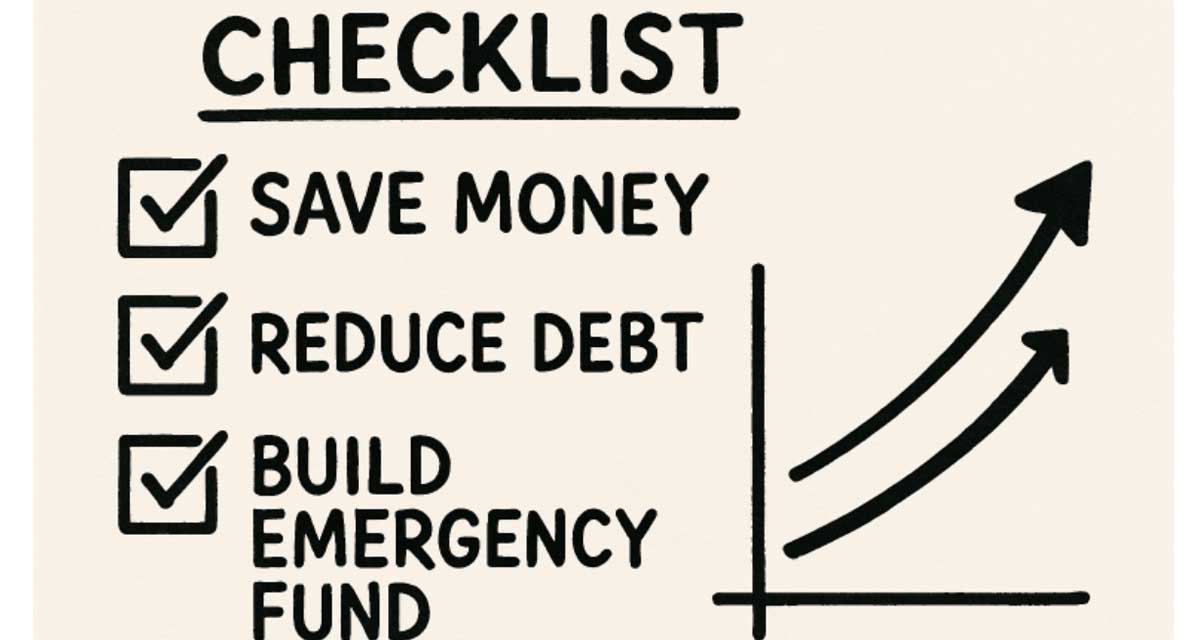
Building up savings is one of the most universally pursued financial goals. Techniques like setting up automatic transfers to a separate savings account, rounding up daily purchases, or participating in employer-sponsored retirement plans are great ways to increase your savings rate. Greater savings allow you to absorb shocks, such as unexpected car repairs, and to secure your financial independence over time.
Reducing Expenses
Trimming unnecessary expenses is critical to freeing up cash for other priorities. Start by reviewing your monthly subscriptions, evaluating utility and insurance options, and looking for ways to reduce your grocery bills. Simple habits like meal planning and switching to generic brands can create breathing room in your budget.
Improving Credit Scores
Good credit can drive favorable loan terms and even impact job prospects. Start by reviewing your credit report for accuracy, paying bills on time, and keeping credit card balances low. Over time, these habits translate to higher credit scores, saving you money on interest and fees.
Paying Off Debt
Carrying high-interest debt can sabotage your financial goals. Effective strategies include the debt snowball method—focusing on the smallest debts first for quick wins, or the avalanche method, which tackles high-interest balances. Choose the strategy that motivates you, and celebrate each debt you pay off.
Starting New Income Streams
Relying on a single income source can be risky. Consider exploring side hustles, such as freelance work or gig economy jobs, or invest in assets that generate passive income, like dividend-paying stocks or rental properties. Multiple income streams boost overall financial resilience and can accelerate progress towards big-picture goals.
Challenges in Sticking to Financial Goals
Even the best financial intentions can be derailed by unexpected expenses or shifting priorities. Common obstacles include lack of motivation, inadequate tracking, lifestyle inflation, and emergencies that require immediate attention. Having a support system, such as a financial accountability partner, can help keep you focused. Regularly reviewing your progress, celebrating minor victories, and adjusting your approach as needed fosters persistence.
The Role of Budgeting in Achieving Financial Goals
A realistic budget serves as your financial blueprint. List all sources of income and track regular and variable expenses. This transparency helps you identify spending leaks and redirect funds towards your goals. There is a range of budgeting apps and tools available, from simple spreadsheets to robust software that links to your financial accounts, helping you automate and analyze your progress with ease.
Regularly monitoring your budget keeps you accountable and provides real-time feedback on your financial behavior. This process encourages adaptability when your financial situation changes, and it supports long-term discipline.
Building an Emergency Fund
An emergency fund acts as your personal safety net during unplanned events such as job loss, medical emergencies, or major home repairs. Experts suggest saving between 3 and 6 months’ worth of living expenses to cover essentials during difficult times.
Start small by automatically transferring a set amount from each paycheck into a dedicated savings account. As you develop the habit, increase your contributions until you reach your target. Keeping these funds separate from your regular spending accounts makes you less likely to dip into them for non-emergencies.
Seeking Professional Financial Advice
While general strategies and tips can take you far, professional guidance ensures your plan fits your individual situation. Financial advisors can help you clarify your objectives, design a personalized plan, and hold you accountable over time. They’ll also keep you aware of changing laws, investment opportunities, and new techniques to maximize your resources and achieve your ambitions.
Final Thoughts
Setting and following through on financial goals is about more than just numbers. It’s about creating a balanced, secure future where you can pursue your dreams without undue worry. Build habits, use helpful tools, and seek support when needed. Every small decision you make sets the stage for long-term security, so take the first step today and commit to ongoing progress towards your best financial future.