How to Plan a Corporate Retreat That Boosts Team Productivity
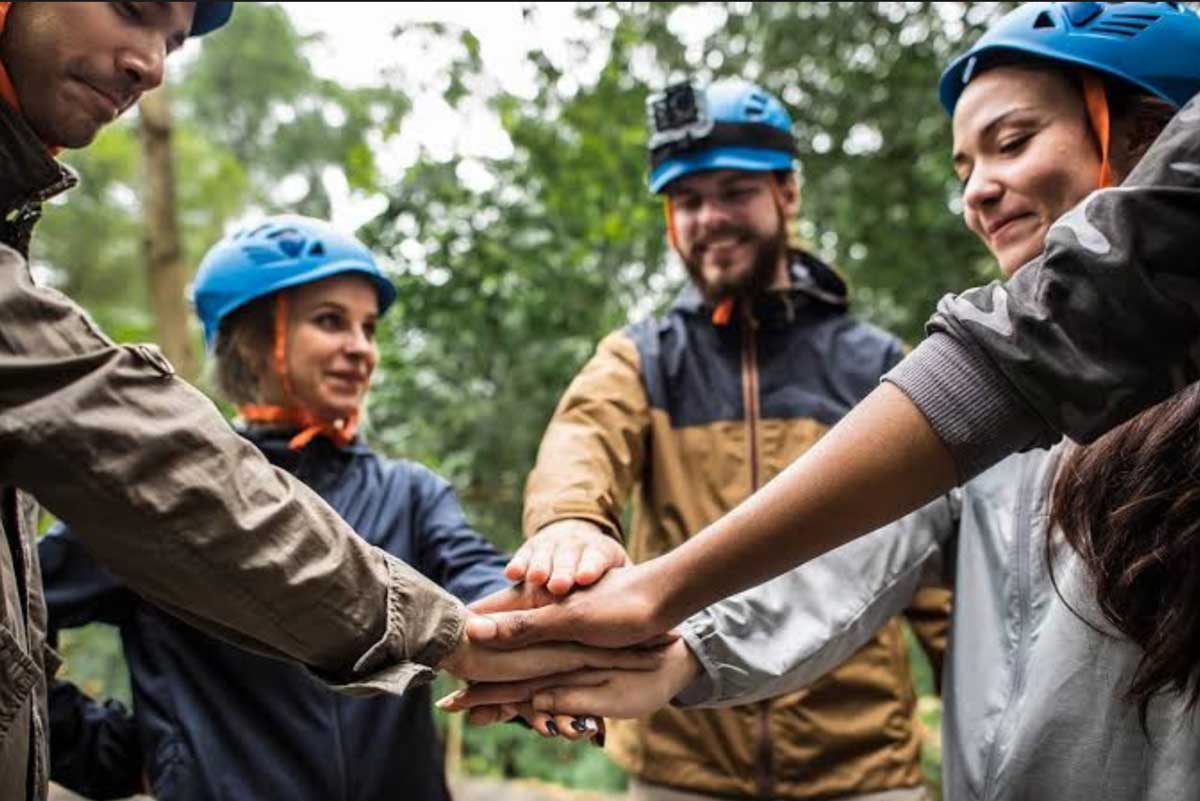
The era of the corporate retreat being nothing more than a weekend of trust falls and open bars is officially over. Today, forward-thinking companies view offsite meetings as a critical strategic tool. In a hybrid working world where teams often communicate through screens, face-to-face time has become a premium commodity that must be used wisely. However, bringing a team together is a significant investment of time and capital.
To ensure you get a return on that investment, the planning process must be rigorous. According to the recent State of the Global Workplace report by Gallup, employee disengagement continues to be a massive drain on the global economy, costing hundreds of billions of dollars annually. A well-executed retreat is one of the most effective ways to reverse this trend, re-engage your workforce, and align everyone toward a common vision. Here is how to plan a corporate retreat that goes beyond morale boosting and delivers tangible productivity gains.
Define Your Strategic “North Star”
Before you book a flight or reserve a conference room, you must answer a simple question: Why are we doing this? Far too many retreats fail because they lack a clear purpose. Is the goal to finalize the roadmap for the next fiscal year? Is it to resolve conflicts within a specific department? Or is it simply to foster connection after a period of rapid growth?
Treat this planning phase with the same seriousness you would apply to any other major corporate initiative. Just as you would approach a comprehensive business transformation, your retreat strategy requires a holistic view. You need to identify the specific cultural or operational shifts you want to achieve. If you skip this step, you risk creating a confused agenda that tries to do too much and accomplishes nothing. Once your primary objective is defined, let it dictate every other decision. If the goal is deep strategic work, you need quiet spaces and structured workshops. If the goal is bonding, you need open spaces and collaborative activities.
Select the Right Environment
The physical environment of your retreat plays a massive psychological role in how your team behaves. A sterile, windowless hotel conference room near the airport rarely inspires breakthrough ideas. To stimulate creativity, you need to remove your team from their standard context and place them in an environment that encourages fresh thinking.
This is why destination selection is critical. When searching for exceptional meeting venues in Koh Samui, for example, look for properties that blend professional facilities with natural beauty. A location that offers state-of-the-art technology alongside ocean views or lush gardens can lower cortisol levels and open minds to new possibilities. The ideal venue should provide:
- Flexible Workspaces: Rooms that can be configured for keynote presentations or broken down for intimate breakout sessions.
- Reliable Infrastructure: High-speed internet and seamless AV support are non-negotiable, even in a tropical paradise.
- Leisure Accessibility: Easy access to relaxation areas where soft work and casual bonding happen naturally.
Structure the Agenda for Cognitive Energy
One of the biggest mistakes planners make is cramming the agenda from 8:00 AM to 8:00 PM. Human cognitive energy is finite. If you force your team to sit in workshops for eight hours straight, the quality of output will degrade rapidly after lunch. Instead, structure your days to match natural energy rhythms. Use the mornings for high-focus tasks like strategy sessions or problem-solving workshops. This is when the brain is freshest. Save the afternoons for experiential learning, team challenges, or unstructured downtime.
Consider this balanced daily framework:
- 08:00 to 09:00: Communal breakfast where no work talk is allowed.
- 09:00 to 12:00: Deep work session for strategy, brainstorming, or goal setting.
- 12:00 to 13:30: Extended lunch break.
- 13:30 to 16:00: Active team building or semi-structured group discussions.
- 16:00 onwards: Free time for personal wellness or casual socializing.
By protecting downtime, you allow participants to process the information from the morning sessions. Often, the best ideas do not happen during the brainstorm itself, but during the walk on the beach afterwards.
Focus on Psychological Safety
Productivity during a retreat is heavily dependent on psychological safety. If team members feel they cannot speak up without fear of judgment, you will not get the honest feedback required to move the business forward. Use the retreat as an opportunity to flatten the hierarchy. Leaders should be participants, not just presenters.
Encourage activities that level the playing field, where the intern has the same voice as the Director. When people feel safe, they take risks. They challenge old assumptions and propose innovative solutions that they might have kept to themselves in the office. Creating this atmosphere requires intentionality from leadership. It involves active listening and demonstrating vulnerability, which sets the tone for the rest of the group.
Maintain Post-Retreat Momentum
The retreat does not end when everyone flies home. The true measure of success is what happens in the weeks that follow. Before leaving, assign owners to every action item generated during the sessions. Schedule a follow-up meeting two weeks later to review progress.
Without this accountability, the energy generated during the trip will dissipate, and the retreat will be remembered as just a fun vacation rather than a pivotal business event. By connecting the offsite experience directly to daily operations, you ensure that the productivity boost is sustainable and long-lasting.