A Guide to Sustainable Land Management with Precision Equipment
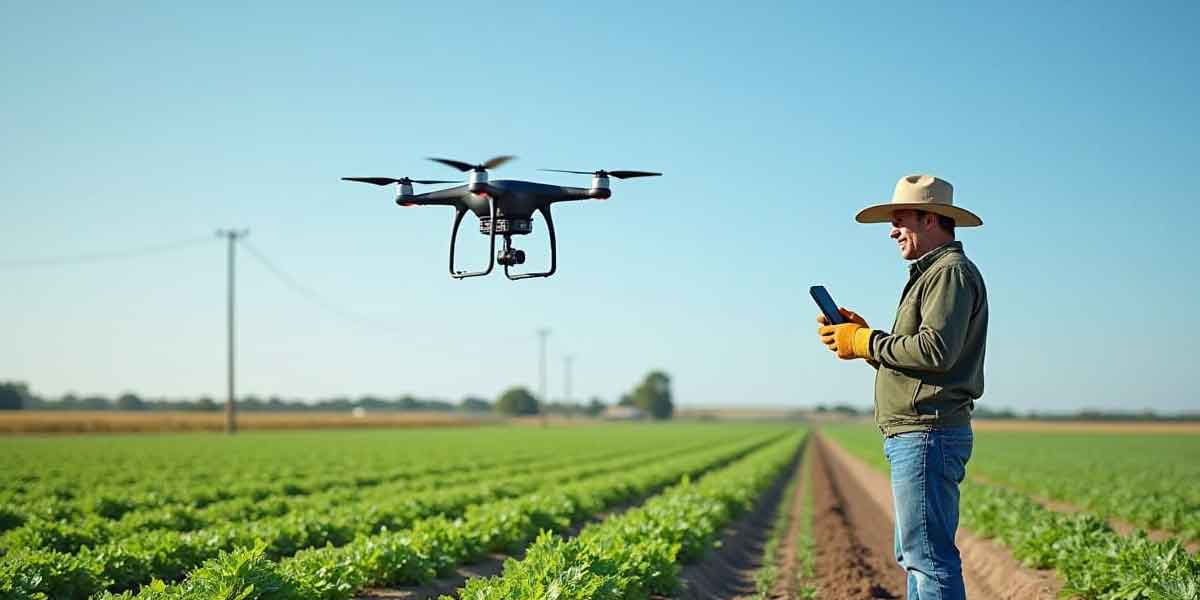
Being sustainable doesn’t necessarily imply reducing your activities. In fact, in the majority of situations, the farms or operations that become the most profitable over the long term are those that invested in more efficient machinery, rather than cheaper resources or lower production. Precision machinery really does make the difference.
GPS Guidance and What it Actually Saves
Automated steering and GPS guidance systems come as a factory option on virtually all new tractors these days, but the real-world value of such innovations is still lost on more than a few farm operators out there. Until guidance has “failed” for some reason and they find themselves driving two or three times over the same rugged ground with their tillage tool, seeder, or sprayer, they don’t appreciate that automated steering isn’t just about making their life easier or impressing neighbors. It’s about saving fuel, reducing soil wear, and delivering entirely new opportunities to better manage their arable land.
With each pass, the tires of the tractor and the wheels of the implement pack the soil and damage the plants near the track. A third pass over the same ground does less damage to the soil, gives the plants the worst pummeling because they have already been somewhat flattened by the previous tires, and generally screws the pooch on fuel consumption as the engine must push down on especially rough terrain, sometimes covering more than 50% of the total movement that day on just 10-20% of the ground.
With an automated guidance system working with a 30- to 2-centimeter accuracy, you can pretty much see exactly where you’ve already been and avoid returning over the same path within another run or two. This reduces plant damage and fuel consumption, improves driver concentration and neck comfort, and gives you a more perfect and consistent job every time.
Variable Rate Technology and the End of Blanket Application
Treating a field as a single unit for irrigation water, fertilizer, or pesticide application doesn’t make sense. There will be zones within it that need more, and zones that need less. Traditional pump-and-treat agriculture assumes uniform thirst and nutrient requirements, as well as inherent disease resistance, and applies inputs accordingly.
Equipment Selection as the Foundation
All this technology is wasted if it’s not paired with the right base machinery. Operators transitioning to a precision model need to start with agricultural equipment built to support it, tractors and implements that handle real-time data exchange, cabins equipped for telematics monitoring, and drivetrains matched to the loads they’re actually pulling. Taken in combination with a commitment to continuously improved crop management over a full cycle of seasons, the results look a lot like what science tells us we need to be doing to deal with the two great global challenges of the next half-century.
From Reactive to Proactive Through Real-Time Data
Most equipment problems don’t just suddenly pop up, they manifest themselves in the data. Onboard diagnostics and telematics available on machines today allows you to see the health of your equipment long before it grinds to a halt. Predictive maintenance is all about finding that worn hydraulic seal or motor running overamp during a schedule check, not the unexpected downtime during harvest.
This shift to managing your equipment proactively instead of reactively makes a big difference in the total cost of ownership for your machinery. The cost of having a machine down costing you acres or hours in the field is far more than just the repair itself. Real-time data is helping to ensure that you maximize the value you get from your equipment by narrowing the timeline between what the machine is telling you and when you take action.
Section Control and Protecting What Surrounds the Field
We don’t see enough use of automated section control given the benefits it brings. When you’ve got a sprayer with lots of boom sections running, the kit automatically turns off individual nozzles as they pass over sprayed ground. It also stops spraying near the field margins where overspray does biodiversity real harm and, in many cases, pushes farmers into the regulatory spotlight.
The efficiency benefit is clear: less chemical wasted, lower cost per hectare. The environmental benefit is just as clear. Preventing chemical overspray on non-crop areas protects the ecological margins that host pest predators, pollinators, and water quality. These systems also fit well with regenerative farming; here are systems that encourage long-term soil health and carbon sequestration by reducing inputs and then making it easy to target application as effectively as possible.