Fiberglass Shutters vs Wood Shutters: Which Is Best for Your Home
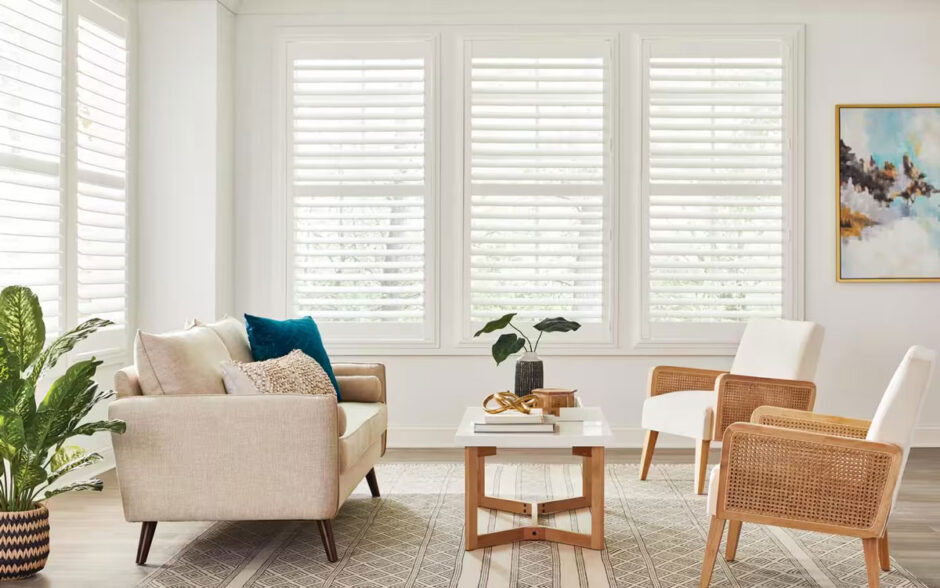
Choosing the right shutters can make a lasting difference in your home’s appearance and performance. Among the most popular options are wood and fiberglass shutters, each offering unique strengths. Understanding the differences helps homeowners select materials that balance beauty, durability, and maintenance needs.
Appearance and Design Options
Wood shutters have a timeless appeal, often chosen for their natural grain and traditional character. They blend beautifully with classic architecture and can be stained or painted to match any décor. However, wood can fade or warp over time, especially in humid environments.
In contrast, fiberglass shutters replicate the refined look of wood while offering a smoother, more consistent finish. They can be molded into various styles, from louvered to raised panel designs, without the imperfections found in natural materials.
Durability and Weather Resistance
Durability is one of the biggest factors when comparing these two materials. Wood provides a sturdy and authentic feel but requires protection from moisture, insects, and sunlight. Regular sealing or repainting is necessary to prevent deterioration.
Fiberglass, on the other hand, stands out for its resistance to rot, cracking, and warping. It handles extreme temperatures and exposure to rain or sun without losing shape. For coastal or high-humidity regions, fiberglass is often the longer-lasting choice.
Maintenance Requirements
Wood shutters demand consistent upkeep. Sanding, repainting, or resealing every few years helps maintain their structure and color. Homeowners who enjoy hands-on care may find this process rewarding, but it can be time-consuming.
Fiberglass shutters require minimal maintenance. They typically need only occasional cleaning with mild soap and water to remove dust or debris. The finish remains stable over the years, reducing the need for refinishing or repair.
Energy Efficiency and Insulation
Both materials contribute to insulation, helping control indoor temperatures. Wood naturally provides good thermal resistance, reducing heat transfer through windows. Fiberglass also performs well, with a dense composition that prevents air infiltration.
When sealed properly, either option can improve comfort and energy efficiency. The difference often comes down to local climate and homeowner preference for maintenance levels.
Cost and Long-Term Value
Initial costs differ, with wood often being less expensive at the start. However, maintenance costs can add up over time. Repainting, repairs, and potential replacements may increase overall expenses.
Fiberglass tends to have a higher upfront price but offers better longevity and lower upkeep. Over the years, this can make it a more economical investment, especially for those seeking a low-maintenance solution.
Customization and Style Flexibility
Homeowners who want a personalized look can explore custom shutters made from either material. Custom designs allow precise sizing, color matching, and decorative details that align with any architectural style.
Fiberglass is easier to shape into intricate designs, while wood allows for unique craftsmanship and texture. Both materials can be adapted to suit modern or traditional aesthetics.
Making the Right Choice
Deciding between fiberglass and wood shutters depends on priorities. Those who value tradition and natural finishes may lean toward wood. Homeowners seeking durability and minimal maintenance often prefer fiberglass.
Evaluating factors such as climate, budget, and desired appearance helps ensure a smart investment. Whether choosing the warmth of wood or the resilience of fiberglass, high-quality shutters can enhance both the beauty and function of any home.