Sustainable Living Starts with Smarter Space Planning: A Guide to Eco-Friendly Design
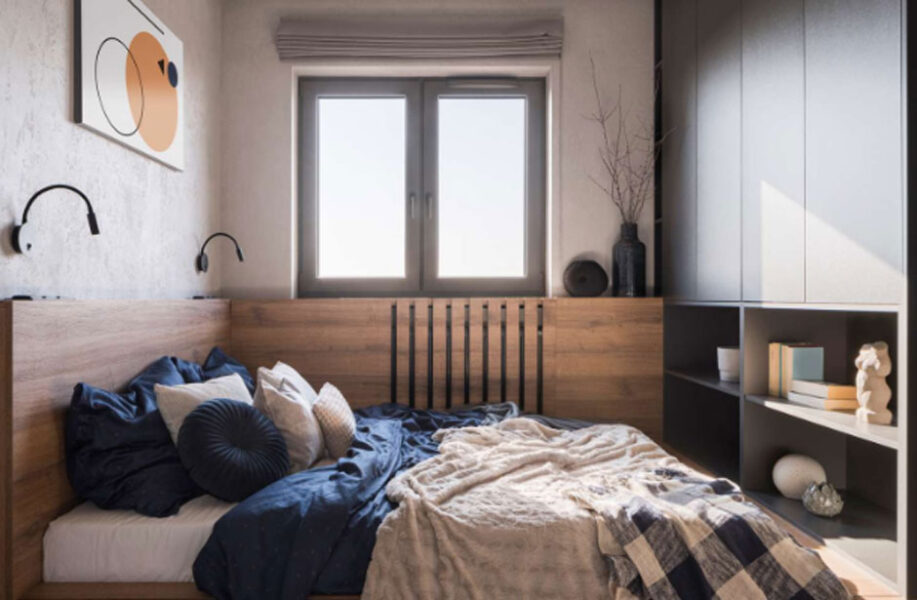
In today’s fast-paced world, sustainable living is no longer a luxury but a necessity. As we face global challenges like climate change, resource depletion, and rising energy costs, finding ways to live more sustainably has never been more important. One of the most effective ways to reduce our environmental impact is through smarter space planning. By thoughtfully designing our living spaces, we can optimize resources, reduce waste, and create homes that are both functional and eco-friendly. To start, learn the key differences between popular size options when planning your spaces to maximize efficiency and minimize waste. In this article, we’ll explore how smart space planning can contribute to a more sustainable lifestyle.
Why Smarter Space Planning Matters
The foundation of sustainable living is making choices that minimize our ecological footprint. Space planning plays a significant role in this. A well-designed home can help reduce energy consumption, lower water usage, and reduce the need for excessive resources. Additionally, by prioritizing multi-functional spaces and investing in quality materials, we can create living environments that are not only beautiful and functional but also sustainable.
By considering how we use the space in our homes, we can reduce the overall footprint of our living environment, making it more energy-efficient and waste-conscious. Let’s dive into how you can incorporate smarter space planning into your home design to promote sustainability.
Start with Efficient Layouts
One of the first steps in sustainable space planning is creating layouts that maximize the use of available space. An efficient layout minimizes wasted space, which in turn reduces the need for excess materials and energy. For example, rather than having rooms dedicated solely to a single function, consider multi-use spaces that can adapt to your needs.
For instance, an open-concept living area can serve multiple purposes – living, dining, and sometimes even a home office. This eliminates the need for extra rooms, reducing the overall square footage of your home. Smaller spaces are easier to heat and cool, which lowers energy consumption and reduces your home’s carbon footprint.
Another key element of space planning is the arrangement of furniture and fixtures. By choosing furniture that serves multiple purposes – such as a sofa bed or modular shelving – you can reduce the number of items you need. This not only saves money but also prevents unnecessary waste from over-purchasing.
Prioritize Natural Lighting
Natural light is one of the simplest ways to reduce energy consumption in a home. Smart space planning includes designing rooms to take full advantage of natural light, thereby reducing the need for artificial lighting during the day. Incorporating large windows, skylights, and open spaces can bring in abundant sunlight, creating a bright and airy environment while also saving energy.
In addition to reducing electricity use, natural light has numerous benefits for our well-being. Exposure to natural light improves mood, boosts productivity, and can even enhance sleep quality. The more you embrace natural light in your design, the more sustainable and health-conscious your living space will be.
Focus on Materials and Finishes
Choosing sustainable materials is a crucial aspect of space planning. From flooring to cabinetry, the materials you select can have a significant impact on your home’s overall environmental footprint. Look for eco-friendly options like reclaimed wood, bamboo, cork, and recycled materials. These materials are not only durable but also contribute to a healthier planet by reducing waste and supporting responsible manufacturing processes.
Additionally, opting for finishes that are non-toxic and free from harmful chemicals will improve indoor air quality and make your home healthier. VOC-free paints, low-emission materials, and natural finishes are great options to consider when planning your space.
Another consideration is the lifecycle of the materials you choose. Long-lasting, high-quality materials reduce the need for frequent repairs or replacements, which in turn reduces waste and the consumption of resources over time. Invest in durable, timeless designs that will stand the test of time, both in style and functionality.
Optimize Storage Solutions
A well-organized home reduces clutter and improves overall efficiency. Optimized storage solutions are not only functional but can also contribute to a more sustainable living environment. By incorporating clever storage ideas into your space planning, you can maximize the use of your home’s square footage while reducing the need for excess furniture.
For example, built-in shelves and cabinets can provide ample storage without taking up too much space. Consider furniture pieces that offer hidden storage, such as ottomans with storage compartments or coffee tables that double as storage units. These storage solutions help minimize the need for additional storage units, reducing both material consumption and wasted space.
Invest in Energy-Efficient Appliances
Incorporating energy-efficient appliances into your home is an essential aspect of sustainable living. Smart space planning includes considering how your appliances will impact your home’s overall energy consumption. Energy-efficient refrigerators, dishwashers, washing machines, and HVAC systems use less power, saving you money on your energy bills and reducing your home’s carbon footprint.
When planning your space, think about appliance placement and usage. For instance, placing your washing machine near a water heater can help reduce energy waste, as it eliminates the need for the water to travel long distances. Additionally, consider investing in appliances that are designed for efficiency, such as induction cooktops or low-flow faucets.
Consider Eco-Friendly Landscaping
Sustainable living doesn’t stop at the walls of your home – it extends to the outdoors as well. Smarter space planning includes thinking about how you use outdoor space, such as gardens and patios, and how you can incorporate eco-friendly landscaping practices.
Drought-tolerant plants, rain gardens, and xeriscaping can help conserve water and reduce the need for frequent irrigation. Similarly, using native plants that require less water and maintenance can contribute to a more sustainable landscape. If you have a larger yard, consider incorporating vegetable gardens or composting areas to reduce waste and grow your own food.
Embrace Smart Home Technology
Finally, the integration of smart home technology is a game-changer for sustainable living. Smart thermostats, lighting systems, and energy monitors can help you manage energy use more efficiently. By connecting your home to technology that can track energy consumption, you gain greater control over how and when you use energy, leading to significant savings and a reduced carbon footprint.
For example, a smart thermostat can learn your schedule and adjust temperatures accordingly, ensuring that your heating and cooling systems aren’t working when they don’t need to be. Similarly, smart lighting can be set to turn off automatically when a room is not in use, further reducing your home’s energy consumption.
Conclusion
Sustainable living starts with smarter space planning. By rethinking how we design and utilize our living spaces, we can reduce our environmental impact, save money, and improve our quality of life. From efficient layouts and natural lighting to sustainable materials and energy-efficient appliances, every decision we make can contribute to a more eco-friendly home.
Learn the key differences between popular size options when choosing furniture and appliances to ensure you’re making the most of your available space. By combining thoughtful design with sustainable practices, you can create a home that is not only beautiful and functional but also kind to the planet. Embrace smarter space planning today and take the first step toward a more sustainable and fulfilling future.