Weathering the Storm: Expert Tips for Securing Your Custom Tent in Unpredictable Outdoor Events
Source: Freepik
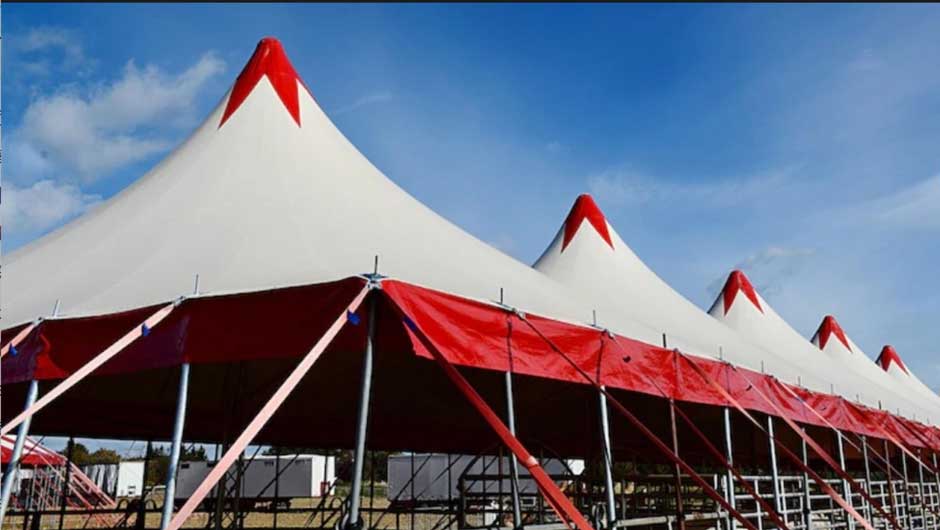
Trade shows, brand activations, and promotional events are good exposure, but the changing weather can easily change a potential success into a failure. Unexpected weather, sudden wind gusts, unforeseen rain, and uneven ground put constant pressure on the arrangements of the event, and tent security is a matter of utmost importance. The use of a professionally mounted custom 10×10 pop-up tent can ensure the safety of staff, visitors, and devices while maintaining brand reputation and continuity of operations. Custom and rental tents will be reliable and can be used even in case of less-than-ideal outdoor conditions with the proper preparation, materials, and setup strategies.
Essential Strategies for Securing Custom Tents in Any Weather
 Source: Freepik
- Plan a Stable Layout Inspired by a Custom Food Booth
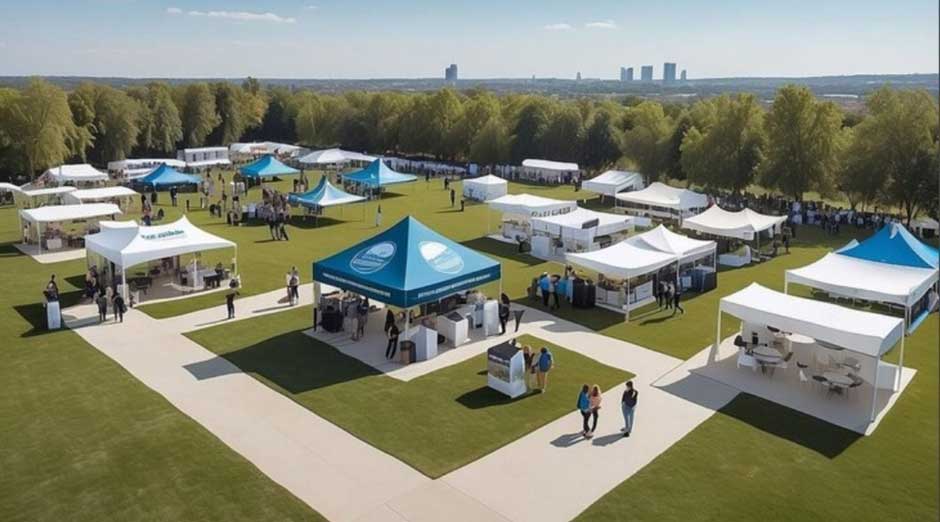
Tent security starts with good planning of the layout. A custom food booth layout focuses on the balance, movement, and weight distribution—the principles that translate well to any exhibition tent. Putting the heavier items like counters, demo equipment, or storage at the midpoint or at the back of the tent reduces the overall center of gravity. Clear zoning will avoid the problem of crowd congestion along entry lines and limit the lateral movement. The interior design is properly balanced, which facilitates safety and usefulness and reduces the unsteadiness of wind or pedestrian flow.
- Use Adequate Weighting Systems on Every Leg
Correct weighting is one of the most essential safeguards in matters of wind movement. The tent weight should be provided with commercial-grade weights as per the tent size and expected conditions. Downward forces in sandbags, water barrels, or steel plates intended to be placed in events can be used to counter uplift. It is important to maintain a balanced weight so as to avoid swerving or turning. Mistimed or underrated weighting has been one of the most critical factors that led to the failure of tents even in moderate weather conditions.
- Anchor Securely Based on Surface Conditions
When using an event venue that allows for ground penetration, the best way to stabilize all of your handling equipment and props is to use securing devices, such as posts, augers, or screw-in anchors. This will help provide the best resistance to sliding and lifting of items placed on grass, dirt, or gravel. Be sure to place your anchors at the proper angle and use tension straps to spread the weight load. In the case of solid surfaces that do not allow for ground anchoring, you may want to consider using other methods to weigh down your equipment and props, such as adding weight to the equipment and using tie-downs when needed.
- Reinforce with Tie-Downs and Wind Management Techniques
Use tie-downs and guy lines to redirect wind forces away from the tent frame. These components should be connected at reinforced areas and tied off at solid or weighted anchor points. If tightly taut, they can keep slack out of the guy lines, but too much force can cause joint damage. Ventilation systems, such as peak vents or mesh panels, aid in reducing pressure accumulation under canopies, as they allow heated air to escape from the sun beating down on the top of the canopy. By managing airflow, the likelihood of developing problems due to unstable conditions created by wind is greatly reduced.
- Choose Durable Materials and Conduct Ongoing Inspections
A tent’s ability to stand up to adverse weather conditions is directly affected by the quality of materials used to build it. For example, a reinforced aluminum or steel frame will be more resistant to bending and fatigue than an unreinforced frame, while weather-resistant materials with protection from UV radiation and waterproof coatings maintain their functionality and aesthetics. Additionally, reinforced seams and stress points reduce the possibility that a tent will tear. Even if you use high-quality materials in a tent, it is important to perform regular inspections during the event. By regularly checking weights, anchors, and connectors, you will be able to make adjustments quickly and prevent small problems from becoming safety issues.
End Point
Tent preparation for outdoor events requires strategic planning, proper equipment, and ongoing attention. To ensure a tent’s structural stability, integrity, and professionalism, it is important to implement proven techniques such as utilizing a balanced tent layout based on custom booths, maintaining consistent weights, anchoring according to the surface, and using high-quality materials. By adequately preparing for weather-related issues, you can protect your personnel, assets, and the company’s brand image so that outdoor events are successful regardless of environmental conditions.