What to Think About Before Installing Your Trolley Commercial Door Operators
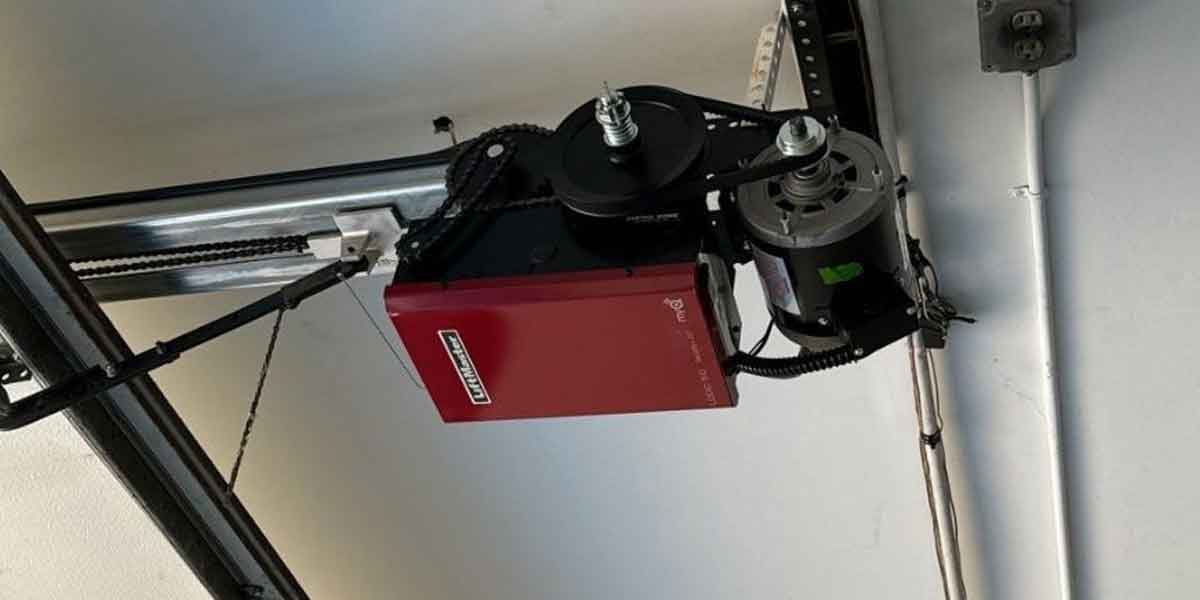
Trolley-style door operators are a popular solution for many commercial and industrial buildings, commonly used for sectional overhead doors in warehouses, parking garages, service centers, and distribution facilities. Using a simple motor and rail mechanism that moves a trolley along a track to pull the door open and push it closed, it is a popular option for businesses.
Before installing a trolley operator system, however, several practical factors should be evaluated. Considering these details ahead of time can help ensure that the system performs efficiently, lasts longer, and meets the needs of your building.
Available Ceiling Space
Trolley operators are typically mounted on the ceiling and connected to the door through a rail system. Because of this design, adequate overhead space is necessary for installation. In facilities where the ceiling is used for lighting, sprinklers, HVAC equipment, or storage racks, installing a trolley system may require careful planning. Property owners should confirm that there is enough clearance above the door for the rail, motor unit, and support hardware.
If overhead space is limited, you may need to adjust the layout of the ceiling equipment or consider alternative operator styles.
Type and Lift Style of the Door
Not every commercial door is designed the same way. Trolley operators work best with standard-lift sectional doors that move horizontally along ceiling tracks. Before installation, it is important to confirm that the door configuration matches the requirements of a trolley system. Doors with high-lift or vertical-lift track systems may require different types of operators, for example. Understanding the lift style of the door ensures that the motor can move the door safely and efficiently without unnecessary strain.
Choosing the Right Operator
Selecting the correct equipment is one of the most important steps in any door automation project. The right commercial garage door opener should match the door size, building layout, and daily usage demands of the facility. Evaluating specifications such as horsepower, drive system, duty cycle, and safety features can help ensure that the system performs reliably over the long term.
Expected Daily Usage
Another key factor is how often the door will open and close during a typical workday. Commercial environments often require doors to operate many times per hour. Many trolley operators are designed to handle frequent cycles, making them suitable for high-traffic commercial environments. Some models can handle dozens of cycles per hour and many more throughout the day.
Businesses with constant loading activity, delivery vehicles, or heavy equipment traffic should select an operator that is rated for their expected usage level.
Power Requirements
Commercial door operators often require specific electrical configurations depending on their motor size and operational demands. Many models are available in single-phase or three-phase power options. Before installation, it is important to confirm that the building’s electrical system can support the selected operator. Ensuring proper voltage and power capacity helps prevent motor strain, electrical issues, and unnecessary downtime.
Noise and Vibration Considerations
While trolley systems are known for their reliability, the drive mechanism, especially chain-drive systems, can produce noticeable noise and vibration during operation. In warehouses or industrial facilities, this may not be a major concern. However, in buildings where offices, retail spaces, or residential units are located nearby, it may be worth considering quieter drive systems such as belt drives.
Final Thoughts
Trolley commercial door operators are a dependable solution for many commercial buildings, especially those with standard sectional overhead doors and adequate ceiling space. When chosen and installed correctly, they provide smooth, efficient operation even in busy environments.


