How Experiential Travel Enhances Personal Growth — From Local Adventures to Pilot Training
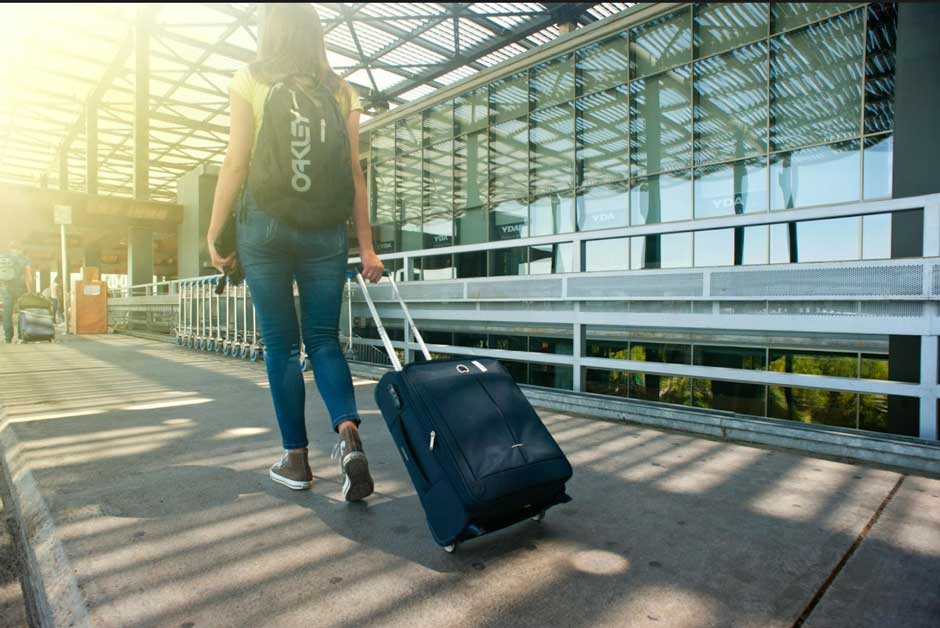
Photo by Atlantic Ambience on Unsplash
Travel has long been more than just a leisure activity. Beyond the excitement of exploring new cities, tasting unfamiliar foods, or seeing iconic landmarks, travel can serve as a profound avenue for personal growth. Every journey, no matter how small or far-reaching, has the potential to teach resilience, adaptability, and self-awareness. For many, the transformative power of travel comes not only from where they go but also from how they choose to engage with the experience. Travelers who approach new experiences with intentionality often find themselves returning home with more than memories—they come back with new skills, perspectives, and a deeper understanding of themselves.
Cultural Immersion Builds Empathy
Immersing yourself in a new culture encourages empathy and understanding. Walking through local markets, engaging in conversations with residents, or learning a few phrases in a different language forces you to step outside your comfort zone. This kind of engagement challenges preconceptions, develops patience, and enhances emotional intelligence. Even activities that may seem mundane in a foreign setting, like navigating public transportation or ordering at a café in another language, can foster independence and confidence in unexpected ways. The small victories gained through these experiences, such as successfully communicating or navigating unfamiliar systems, can have a lasting impact on a traveler’s sense of self-efficacy.
Adventure Travel and Growth
Adventure travel takes these benefits even further. Choosing experiences that require physical, mental, or emotional effort encourages a deeper form of growth. Hiking up a mountain, kayaking through rapids, or volunteering abroad are all examples of how challenging oneself in unfamiliar surroundings can yield long-lasting personal benefits. These experiences require focus, perseverance, and adaptability, qualities that are valuable not only while traveling but also in everyday life. Facing and overcoming obstacles in a foreign setting can be a powerful reminder of one’s own resilience and resourcefulness, reinforcing the belief that challenges are opportunities in disguise.
For some travelers, experiential growth means trying something meaningful and challenging — like enrolling in a pilot training program. Learning to fly an aircraft demands a combination of technical skill, critical thinking, and mental fortitude. It is an immersive way to push personal boundaries, overcome fear, and develop a sense of achievement that goes beyond the ordinary. Unlike typical adventures that may test physical endurance or courage, learning to fly introduces a high-stakes environment where precision, focus, and discipline are required. Such experiences can reshape the way you approach challenges, encouraging a mindset that seeks growth over comfort, and teaching the value of consistent effort and learning from mistakes.
Photo by Necati Ömer Karpuzoğlu on Unsplash
Diversity in Experiential Travel
The beauty of experiential travel lies in its diversity. It can be as extreme as skydiving over a vast landscape or as intimate as joining a local cooking class. Both forms of experiences share the common thread of engagement: they require participation, curiosity, and an openness to learning. By actively choosing to engage rather than passively observe, travelers unlock the full potential of their journeys. This level of involvement fosters creativity, sharpens problem-solving skills, and reinforces the importance of living fully in the moment. Every experience, no matter how different, provides a lens through which travelers can reflect on their own beliefs, behaviors, and perspectives.
Intellectual and Emotional Development
Personal growth through travel is not confined to the physical or adventurous. Intellectual and emotional development also play a critical role. Visiting historical sites, museums, and cultural centers provides context to the human experience and broadens perspective. Engaging with art, literature, or local traditions allows travelers to explore concepts and ideas outside of their everyday framework. This type of learning nurtures curiosity, encourages reflection, and deepens understanding of oneself and the world. Emotional development is further enhanced when travelers encounter situations that provoke empathy or challenge ingrained viewpoints, prompting them to adapt and grow.
Building Adaptability
Travel teaches adaptability in ways that everyday life rarely does. Plans may change unexpectedly, the weather may interfere, or transportation systems might fail. When faced with such obstacles, travelers learn to pivot, problem-solve, and maintain composure. These skills are invaluable for personal development and can translate directly into professional and social contexts. Experiential travel, by its very nature, cultivates resilience and a sense of empowerment. Over time, the repeated practice of adapting to new circumstances builds a mindset that is comfortable with uncertainty and capable of finding creative solutions in complex situations.
Another significant benefit of travel-centered growth is the creation of meaningful connections. Meeting people from different backgrounds fosters communication skills and empathy. These interactions can challenge biases, broaden perspectives, and even spark lifelong friendships. The relationships built while traveling, whether with locals or fellow adventurers, often leave lasting impressions and inspire new ways of thinking and being. Sharing experiences, collaborating on activities, or learning from someone with a different perspective strengthens social skills and cultivates a sense of belonging in a broader, more diverse community.
Achieving Mastery and Confidence
Immersive experiences like flight training or hands-on workshops can instill a sense of mastery and accomplishment. Achieving a goal that initially seemed daunting reinforces self-confidence and encourages the pursuit of further challenges. Such milestones serve as tangible reminders of personal growth, motivating individuals to continue seeking opportunities for learning and self-improvement. The lessons gained from mastering a new skill, whether practical or intellectual, translate into other areas of life, inspiring confidence and a willingness to take on additional challenges.
Incorporating these experiences into your travel plan also encourages reflection. Taking time to consider what each activity teaches — whether about resilience, patience, or courage — allows travelers to internalize lessons and apply them to daily life. Journaling, photography, or simply mindful contemplation can solidify the impact of these experiences, transforming a temporary adventure into long-term personal growth. Reflective practices enhance awareness, making it easier to identify how past experiences shape current behaviors and attitudes.
Travel as Transformation
Experiential travel is more than ticking destinations off a list; it’s about intentionally seeking moments that challenge, teach, and inspire. From local cultural immersion to high-skill endeavors like learning to fly, each experience contributes to growth in confidence, resilience, and perspective. By engaging deeply with the world and embracing opportunities that push personal boundaries, travelers can return home not just with memories but with newfound skills, insights, and a stronger sense of self.