How Do You Know If Your Chronic Pain Needs a Physical Therapy Centre or Just Exercise?
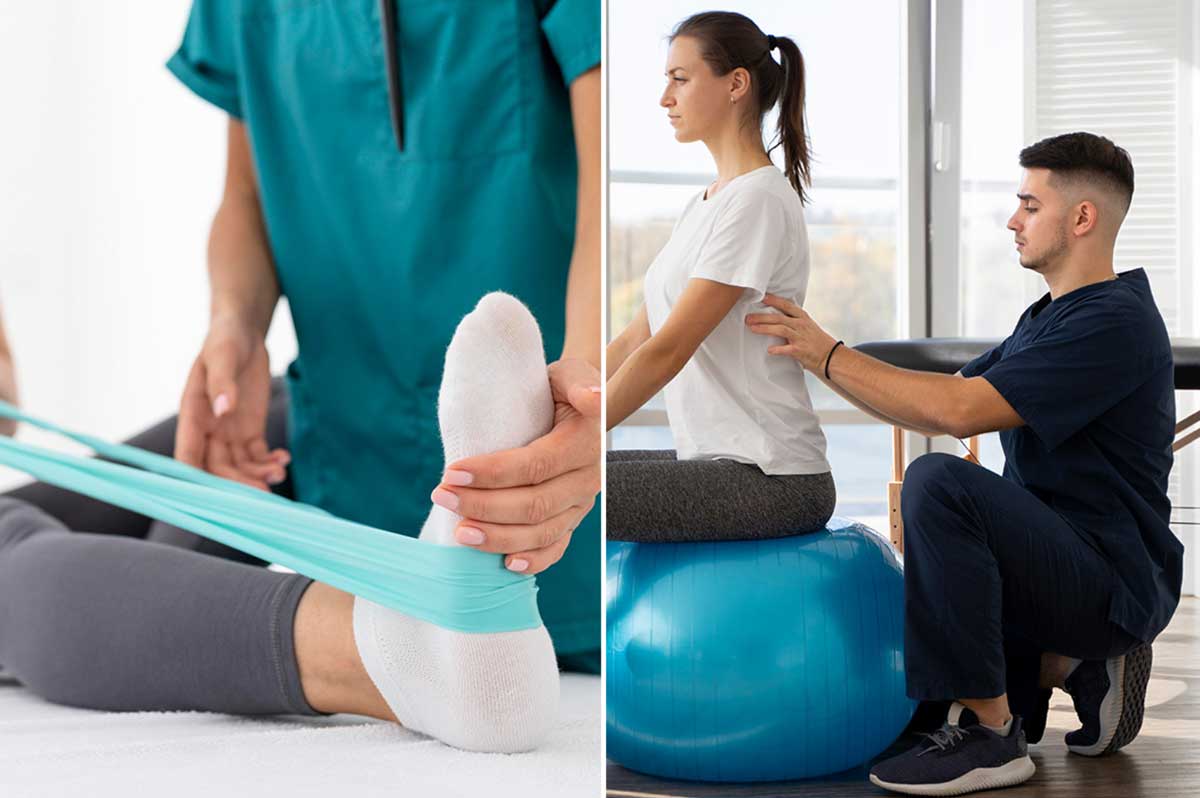
The pain’s been there for weeks. You’ve tried looking up exercises online, sat through videos claiming they’d sort you out, and possibly even spent money on a foam roller you’ve used once. Sometimes it feels better. Then it comes back. So here’s the question that keeps you up at night: is this something you can sort out yourself, or do you actually need professional help?
The line between “I can handle this” and “I need to see someone” isn’t always clear. Sometimes a bit of movement and stretching does the trick. Other times, you’re unknowingly making things worse. This article will help you identify the red flags that signal it’s time to stop guessing and visit a physical therapy centre (this is commonly referred to as ศูนย์กายภาพบำบัด in Thai).
The Self-Management Sweet Spot: When Exercise Alone Works
Not every ache requires professional intervention. General muscle soreness from a new workout usually clears up within two to three days. That stiffness after sitting for hours? It usually responds well to regular movement and basic stretching.
If you’re pain-free and simply want to stay that way, preventive exercise is brilliant. The key indicator that self-management is working? You should see progressive improvement within two weeks of consistent effort. If you’re struggling with pain at work, and it’s getting better each day as you move more and sit less, you’re probably on the right track.
However, if two weeks pass, and you’re still in the same boat or feeling worse, it’s time to reconsider your approach.
Red Flags That Scream “Get Professional Help!”
Your body speaks loudly when something’s seriously wrong. You just need to know what to listen for.
- Pain that changes your movement patterns: You’re limping, favouring one side, or consciously avoiding certain movements. This isn’t just discomfort anymore; it’s dysfunction.
- The six-week rule: Pain that persists beyond six weeks despite your best self-care efforts needs professional assessment.
- Pain that worsens with “correct” exercises: The stretches look right, the form seems perfect, but somehow you feel worse than before. That’s an indicator that there may be an underlying issue going on.
- Radiating or spreading pain: Your knee hurts first. Then your hip started complaining. Now your lower back’s involved too. Pain doesn’t usually travel for fun—your body’s trying to protect the original problem and creating new ones in the process.
- Previous injury sites acting up: Remember that sprained ankle from three years ago? The shoulder thing that eventually stopped hurting? They’re back, and you haven’t done anything to trigger them. Turns out they never properly healed.
- Pain that affects sleep or daily function: Sitting in meetings becomes unbearable. Stairs make you pause and brace yourself. You spend half the night shifting positions, searching for one that doesn’t hurt. Once pain runs your schedule, you’ve waited too long to address it.
- Numbness, tingling, or weakness: These neurological symptoms require immediate professional assessment.
What a Physical Therapy Centre Offers That YouTube Can’t
Proper professional treatment isn’t about copying exercises from a screen. Here’s why it works differently:
Individualised Assessment
A therapist figures out how your body’s been cheating around the problem, where things aren’t moving right, and what’s actually gone wrong. They catch things you’d never notice on your own.
Hands-On Techniques
Manual therapy, joint mobilisation, and therapeutic interventions simply can’t be done yourself. Some treatments require skilled hands and years of training.
Progressive, Monitored Programming
Your exercises adapt in real time based on how your body responds. A professional adjusts your programme in each session to catch problems before they develop.
Treatment of Underlying Biomechanics
Professionals work out why it hurts in the first place, not just where you feel it. This distinction matters enormously. With the growing promotion of physical therapy as a cure for office syndrome in Thailand, for example, centres now offer international-standard diagnostics and treatment protocols specifically designed for modern lifestyle-related pain.
Accountability and Expertise
Someone spots when you’re doing exercises incorrectly or pushing too hard or too little. This guidance prevents setbacks and accelerates recovery.
Stop Guessing, Start Recovering!
Chronic pain is your body’s persistent alarm system, and ignoring it rarely makes it go away. If you’ve recognised any of the red flags above, you’re not being dramatic or weak; you’re being smart. The difference between managing pain and actually healing often comes down to expert assessment and targeted treatment.
Don’t let another month pass, hoping it’ll magically improve. Find a qualified physical therapy centre and get your body the help it actually needs!